Kiruna sits far above the Arctic Circle in northern Sweden and attracts travelers from around the world looking for Northern Lights, Arctic winter adventures, the famous ICEHOTEL and authentic Swedish Lapland experiences. Although Kiruna may seem remote on a map, reaching this part of Scandinavia is often easier than first-time visitors expect once the transport options are understood.
Most international visitors begin their journey by flying into Stockholm Arlanda Airport before continuing north to Kiruna Airport. Others combine Kiruna with destinations such as Abisko, Narvik in Norway or wider Lapland itineraries that include Finland, Tromsø or Arctic train routes.
This guide explains the best international routes, flight connections, train options, transfer planning and practical travel advice for visitors traveling to Kiruna from Australia, North America, Europe, Asia and other international destinations.
Where Is Kiruna Located?
Kiruna is located in the far north of Sweden inside the region known as Swedish Lapland. The town sits roughly 145 kilometers above the Arctic Circle and serves as one of Scandinavia’s most important winter tourism destinations thanks to its combination of Northern Lights visibility, Arctic wilderness and world-famous winter experiences.
Unlike destinations located near major European capitals, Kiruna requires one or more travel connections for most visitors. However, Sweden’s domestic flight infrastructure makes access surprisingly straightforward even for travelers arriving from long-haul international destinations.
Why Do So Many International Travelers Visit Kiruna?
Kiruna has become one of Europe’s most recognized Arctic destinations because it combines several unique experiences within one region. Travelers visit for Northern Lights viewing, dog sledding, snowmobiling, Sámi cultural experiences, winter photography, the ICEHOTEL and access to destinations such as Abisko National Park.
Best International Routes to Reach Kiruna
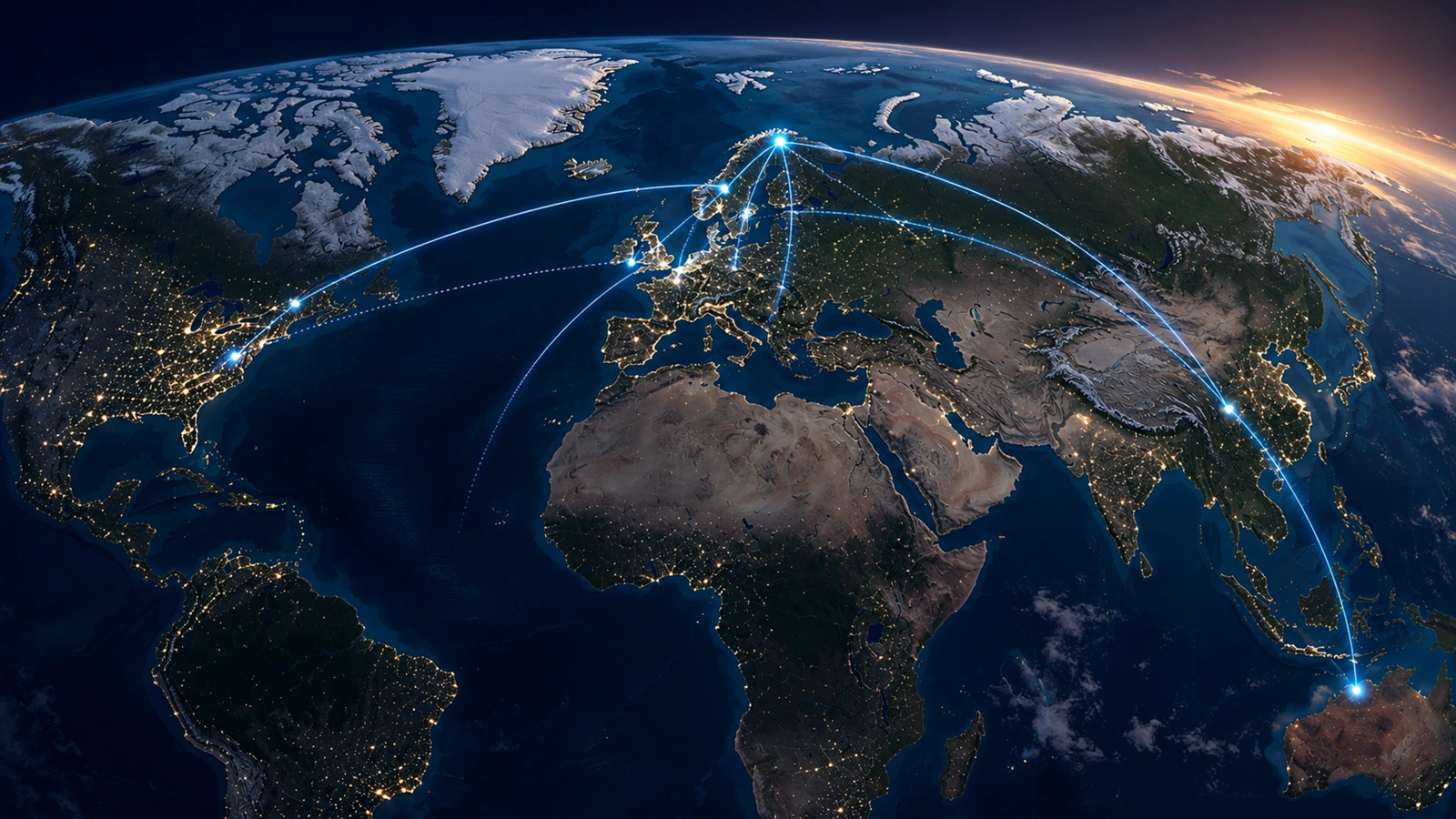
Your best route depends heavily on where in the world you begin your journey. In almost all cases, international travelers first reach Europe and then continue toward Stockholm before taking a domestic Swedish connection north to Kiruna.
| Starting Region | Most Common Route | Estimated Travel Time |
|---|---|---|
| Australia | Sydney → Singapore/Doha → Stockholm → Kiruna | 24–35 hours |
| North America | Major Hub → Europe → Stockholm → Kiruna | 15–25 hours |
| United Kingdom | London → Stockholm → Kiruna | 6–9 hours |
| Germany | Frankfurt → Stockholm → Kiruna | 6–10 hours |
| Asia | Singapore/Tokyo → Europe → Stockholm → Kiruna | 18–30 hours |
Many travelers underestimate how large Scandinavia is geographically. Even after reaching Stockholm, travelers still need to continue nearly 1,200 kilometers north to reach Kiruna in Swedish Lapland.
Flying to Kiruna (Most Common Option)
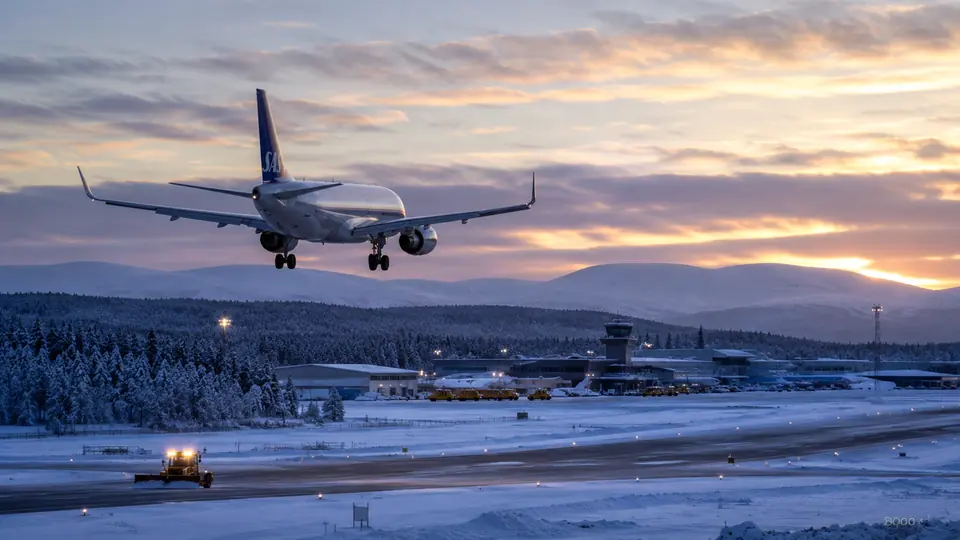
For most visitors worldwide, flying remains the fastest and simplest way to reach Kiruna. Nearly all international travelers first arrive at Stockholm Arlanda Airport, Sweden’s largest international gateway, before continuing with a domestic connection to Kiruna Airport (KRN).
The domestic flight between Stockholm and Kiruna normally takes approximately 90 minutes and operates year-round. This final domestic connection is usually the easiest part of the journey once international arrival into Sweden has been completed.
The two airlines most travelers use are:
- SAS Scandinavian Airlines
- Norwegian Air Shuttle
Travelers booking Northern Lights holidays during peak winter season should reserve flights well in advance, especially between December and March when demand across Swedish Lapland increases significantly.
How Travelers from Australia Usually Reach Kiruna
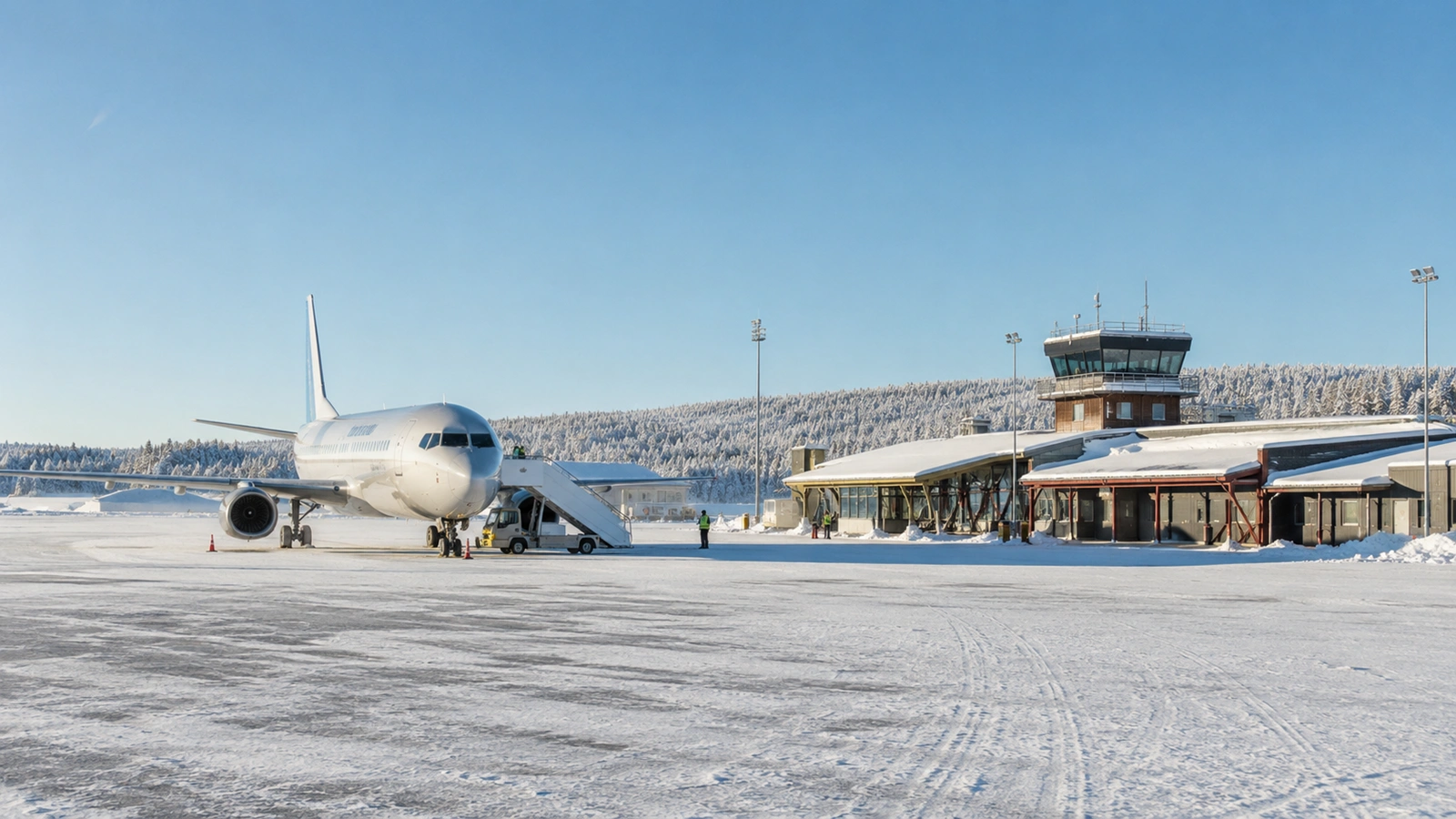
Australia has become an increasingly important market for Northern Lights travel and Arctic bucket-list experiences. Because of the long travel distance, Australian visitors usually combine several flight segments before eventually arriving in northern Sweden.
The most common route typically begins in Sydney or Melbourne, followed by a long-haul flight through major international transit hubs such as Singapore, Doha or Dubai. From there, travelers continue toward Europe, usually connecting through Stockholm before taking the final domestic flight north to Kiruna.
| Typical Route | Example Connection | Estimated Travel Time |
|---|---|---|
| Sydney Route | Sydney → Singapore → Stockholm → Kiruna | 26–32 hours |
| Melbourne Route | Melbourne → Doha → Stockholm → Kiruna | 25–34 hours |
| Alternative Route | Sydney → Dubai → Europe → Stockholm → Kiruna | 28–35 hours |
Because many visitors from Australia plan once-in-a-lifetime Arctic holidays, Kiruna is often combined with destinations such as Abisko, Norway or Finnish Lapland during longer Scandinavian winter itineraries.
How Travelers from North America Reach Kiruna
Travelers from the United States and Canada usually begin their journey through large international hubs before connecting into Europe. Unlike European visitors, North American travelers often need additional flight connections before reaching Stockholm.
The most common routing pattern typically involves departing from major airports such as New York, Chicago, Los Angeles or Toronto, continuing toward major European transit airports before arriving in Sweden.
| Starting Region | Typical Route | Estimated Travel Time |
|---|---|---|
| East Coast USA | New York → Stockholm → Kiruna | 14–18 hours |
| West Coast USA | Los Angeles → Europe → Stockholm → Kiruna | 18–24 hours |
| Canada | Toronto → Europe → Stockholm → Kiruna | 15–22 hours |
Many North American travelers choose winter itineraries focused primarily on Northern Lights photography, dog sledding, snowmobiling and premium Arctic accommodation experiences such as glass igloos and the ICEHOTEL.
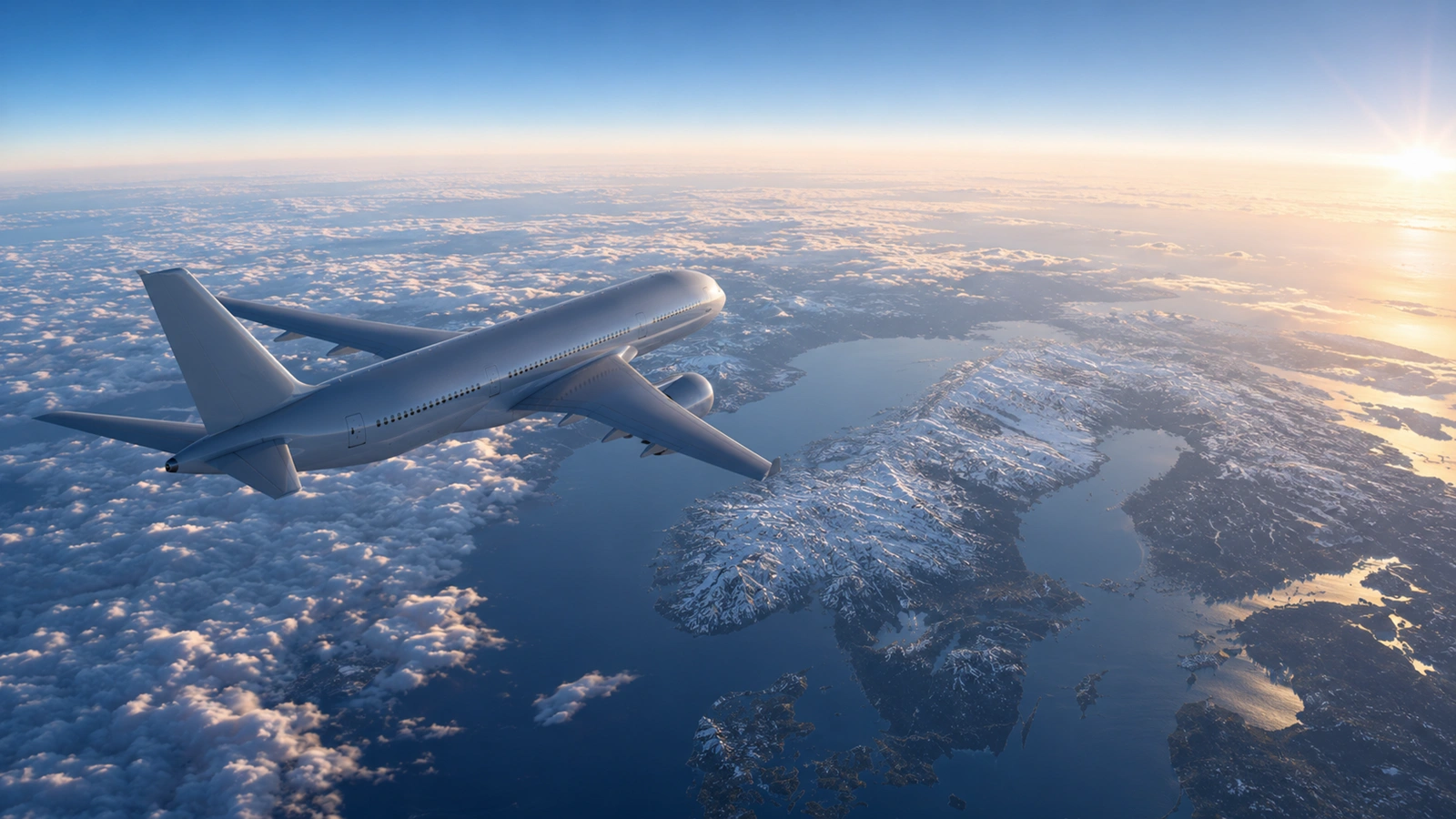
How Travelers from Europe Reach Kiruna
European visitors usually have the simplest journey when traveling to Kiruna. In most cases, travelers fly directly into Stockholm from major European capitals before continuing north on a domestic connection.
For travelers based in countries such as Germany, the United Kingdom, France, the Netherlands or Italy, total travel time can often remain under one day depending on connection schedules.
| Departure City | Typical Route | Estimated Travel Time |
|---|---|---|
| London | London → Stockholm → Kiruna | 6–9 hours |
| Frankfurt | Frankfurt → Stockholm → Kiruna | 6–10 hours |
| Paris | Paris → Stockholm → Kiruna | 7–10 hours |
| Amsterdam | Amsterdam → Stockholm → Kiruna | 6–9 hours |
| Rome | Rome → Stockholm → Kiruna | 7–11 hours |
European travelers visiting Swedish Lapland often build flexible itineraries combining Kiruna with Northern Lights season planning, Abisko excursions and Arctic winter activities across northern Scandinavia.
Taking the Train to Kiruna
Although flying is the most common option, train travel remains a popular alternative for visitors who want a slower journey or prefer overland travel through Sweden’s Arctic landscapes.
Sweden’s overnight train network operated by SJ Swedish Railways connects Stockholm with Kiruna year-round. The journey is significantly longer than flying, but many travelers consider the train one of Scandinavia’s most scenic long-distance routes.
Travelers coming from Norway can also combine Kiruna with the famous railway route connecting Kiruna, Abisko and Narvik.
Train Travel Advantages
- Lower environmental impact
- Scenic Arctic landscapes
- No airport security procedures
- Comfortable overnight sleeper cabins
- Easy connection with Abisko and Narvik
Getting from Kiruna Airport to Your Accommodation
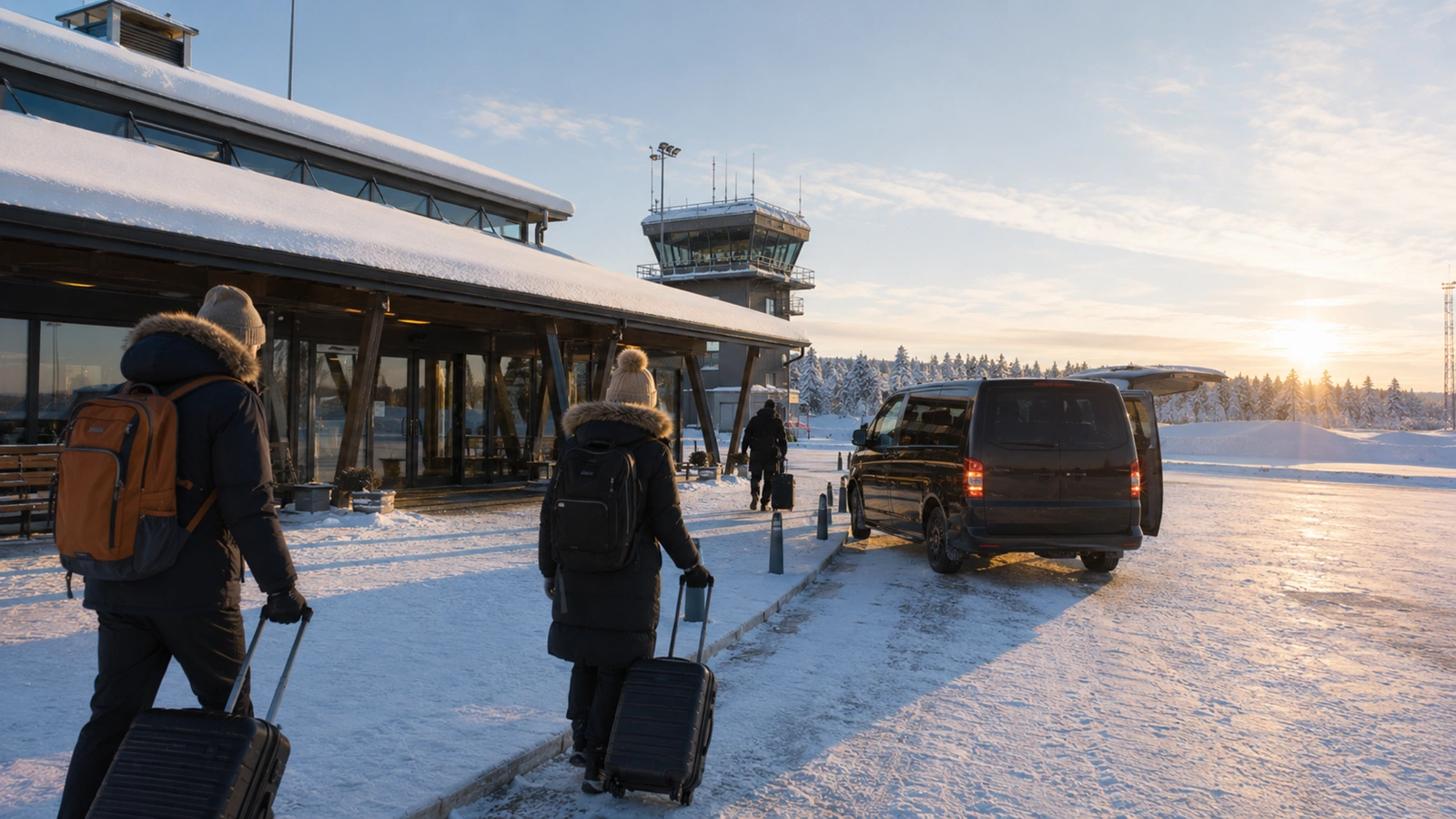
Once travelers arrive at Kiruna Airport (KRN), the final step is reaching accommodation in Kiruna town, Jukkasjärvi, Abisko or more remote Arctic properties across Swedish Lapland. Fortunately, airport transfers are generally straightforward when planned in advance.
Kiruna Airport is relatively small compared with major international airports, which makes arrival procedures simple. However, because many accommodations are spread across large Arctic distances, travelers should understand their transfer options before arrival.
| Transport Option | Best For | Important Notes |
|---|---|---|
| Airport Shuttle | Budget travelers | Limited schedules depending on arrivals |
| Taxi | Flexible transport | Most convenient but higher cost |
| Rental Car | Independent travelers | Best for flexible itineraries |
| Hotel Transfer | Luxury travelers | Some accommodations offer pickup |
| Tour Pickup | Package travelers | Often included with activities |
Travelers staying inside central Kiruna usually have the simplest arrival logistics, while guests staying at remote properties or winter resorts often need pre-arranged transportation. If you want a full breakdown, see our Kiruna transport and airport transfer guide.
How to Reach Popular Destinations After Arriving
For many international travelers, Kiruna is not the final destination. Instead, the town acts as the main arrival hub before continuing toward famous Arctic destinations across Swedish Lapland and northern Scandinavia.
| Destination | Distance from Kiruna | Best Transport Option |
|---|---|---|
| Abisko | 100 km | Train or rental car |
| ICEHOTEL Jukkasjärvi | 17 km | Taxi or shuttle |
| Aurora River Camp | 15 km | Taxi or tour transfer |
| Narvik Norway | 180 km | Train or rental car |
| Finnish Lapland | Variable | Rental car |
Many visitors build multi-destination itineraries combining Kiruna with Abisko day trips, Norwegian fjord excursions or winter activities across Lapland.
Should You Rent a Car in Kiruna?
Many first-time visitors wonder whether renting a car is necessary. The answer depends largely on your itinerary, accommodation location and how independently you want to explore Swedish Lapland after arrival.
Travelers staying in central Kiruna while booking guided tours often do not need a rental car. However, visitors planning photography trips, remote accommodations or self-guided Arctic road trips may benefit significantly from having their own vehicle.
| Advantages | Disadvantages |
|---|---|
| Maximum schedule flexibility | Higher total travel cost |
| Easier access to remote locations | Winter driving conditions |
| Ideal for photographers | Snow and ice experience required |
| Flexible Northern Lights hunting | Parking costs in some locations |
| Freedom between destinations | Long Arctic driving distances |
Winter Travel Conditions You Need to Know
Traveling to Kiruna during winter requires more planning than many international visitors expect. Arctic conditions create one of Europe’s most unique travel environments, but weather and seasonal factors can occasionally affect transport logistics.
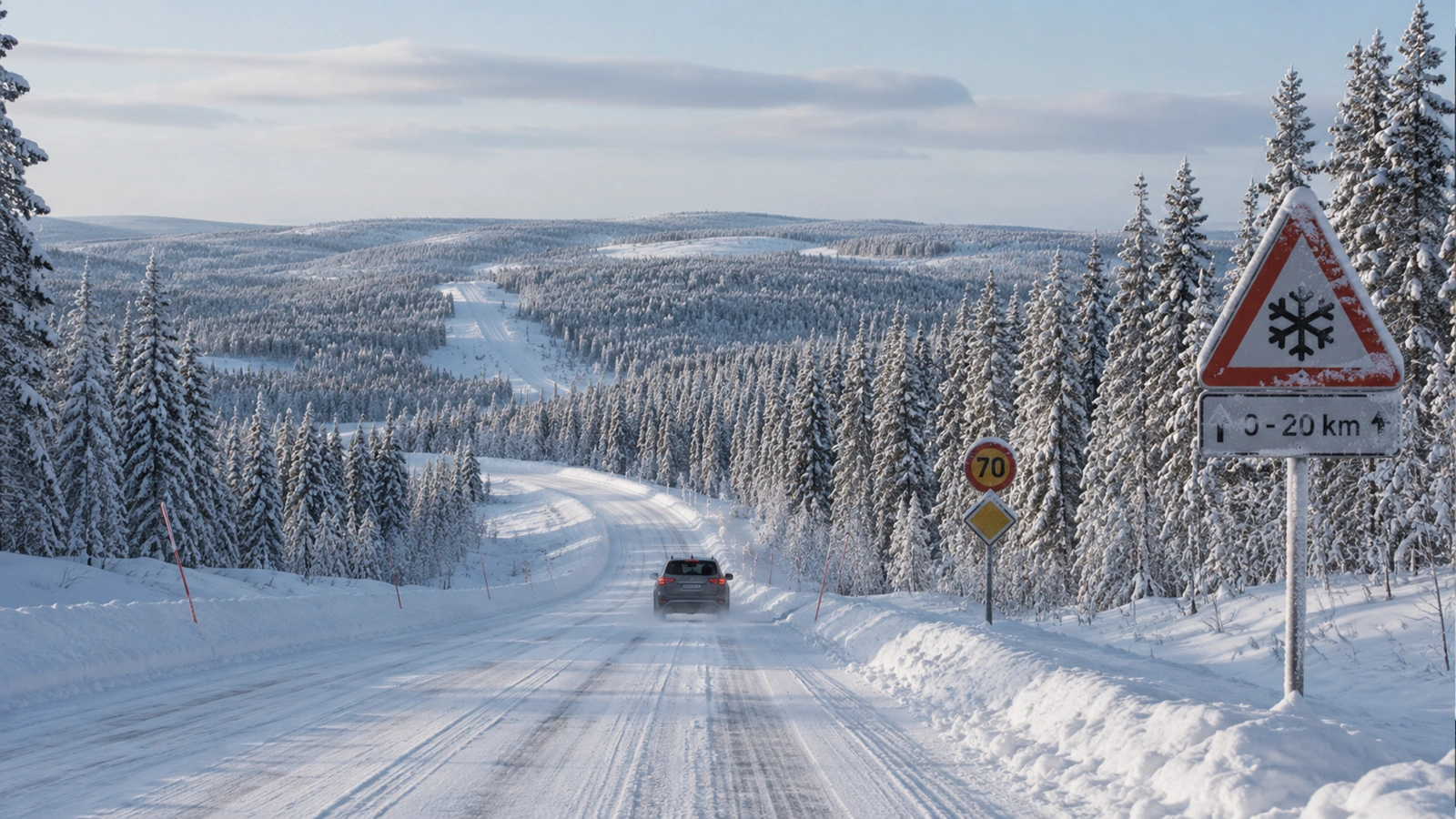
From late November through March, travelers should expect extreme winter conditions including snow-covered roads, temperatures well below freezing, limited daylight hours and occasional transport delays caused by weather systems moving across northern Scandinavia.
Winter Conditions to Prepare For
- Possible flight delays during heavy snowfall
- Extremely cold temperatures below freezing
- Very limited daylight during polar night season
- Snow and ice on roads for long periods
- Higher winter demand during Northern Lights season
- Rental cars require winter driving confidence
Common Travel Mistakes International Visitors Make
Traveling to Kiruna is generally straightforward once the route is understood, but first-time visitors often make avoidable planning mistakes that create unnecessary stress during an Arctic winter trip.
Because Kiruna sits far north inside Swedish Lapland, small planning errors that might be insignificant in major European cities can create larger logistical problems once you enter the Arctic region.
Common Mistakes to Avoid
- Booking flights too late during Northern Lights season
- Assuming Kiruna has direct international flight connections
- Not allowing enough time between flight connections
- Underestimating winter weather delays
- Booking remote accommodation without transfer planning
- Renting a car without winter driving experience
- Ignoring limited daylight during polar night season
- Assuming public transport reaches all remote accommodations
What Is the Biggest Mistake First-Time Visitors Make?
The most common mistake is focusing only on reaching Kiruna itself without planning the final part of the journey after arrival. Many visitors book flights successfully but forget to arrange transfers to accommodations, ICEHOTEL visits, Abisko excursions or remote Northern Lights experiences.
Recommended Travel Options by Traveler Type
The best route to Kiruna depends entirely on your travel style, budget, available time and the type of Arctic experience you want once arriving in Swedish Lapland.
| Traveler Type | Recommended Option | Why It Works |
|---|---|---|
| Budget Traveler | Flight + Airport Shuttle | Lowest total transport cost |
| Luxury Traveler | Flight + Private Transfer | Most comfortable option |
| Photographer | Flight + Rental Car | Maximum mobility for aurora hunting |
| Family Traveler | Flight + Hotel Transfer | Simpler logistics with children |
| Adventure Traveler | Train + Multi-destination Route | Best for flexible Lapland itinerary |
If you are still planning the rest of your itinerary, our complete Kiruna travel guide helps travelers organize accommodation, tours, winter activities and seasonal planning after arrival.
Compare Northern Lights Destinations Before You Book
Still deciding between Kiruna, Abisko, Tromsø, Rovaniemi, Levi or Saariselkä? Compare Arctic destinations before planning your trip and choose the destination that matches your Northern Lights goals, travel style and winter itinerary.
Explore all Arctic destination comparisons →Reaching Kiruna from abroad may initially look complicated because Swedish Lapland sits far north above the Arctic Circle, but with proper planning the journey is far more accessible than many travelers expect. Most visitors simply connect through Stockholm before continuing north into one of Scandinavia’s most unique winter destinations.
Once you arrive, Kiruna becomes the gateway to extraordinary Arctic experiences including Northern Lights excursions, Sámi cultural experiences, dog sledding, snowmobile adventures, the world-famous ICEHOTEL and access to spectacular wilderness destinations such as Abisko National Park. Proper transport planning simply ensures the adventure begins without unnecessary complications.