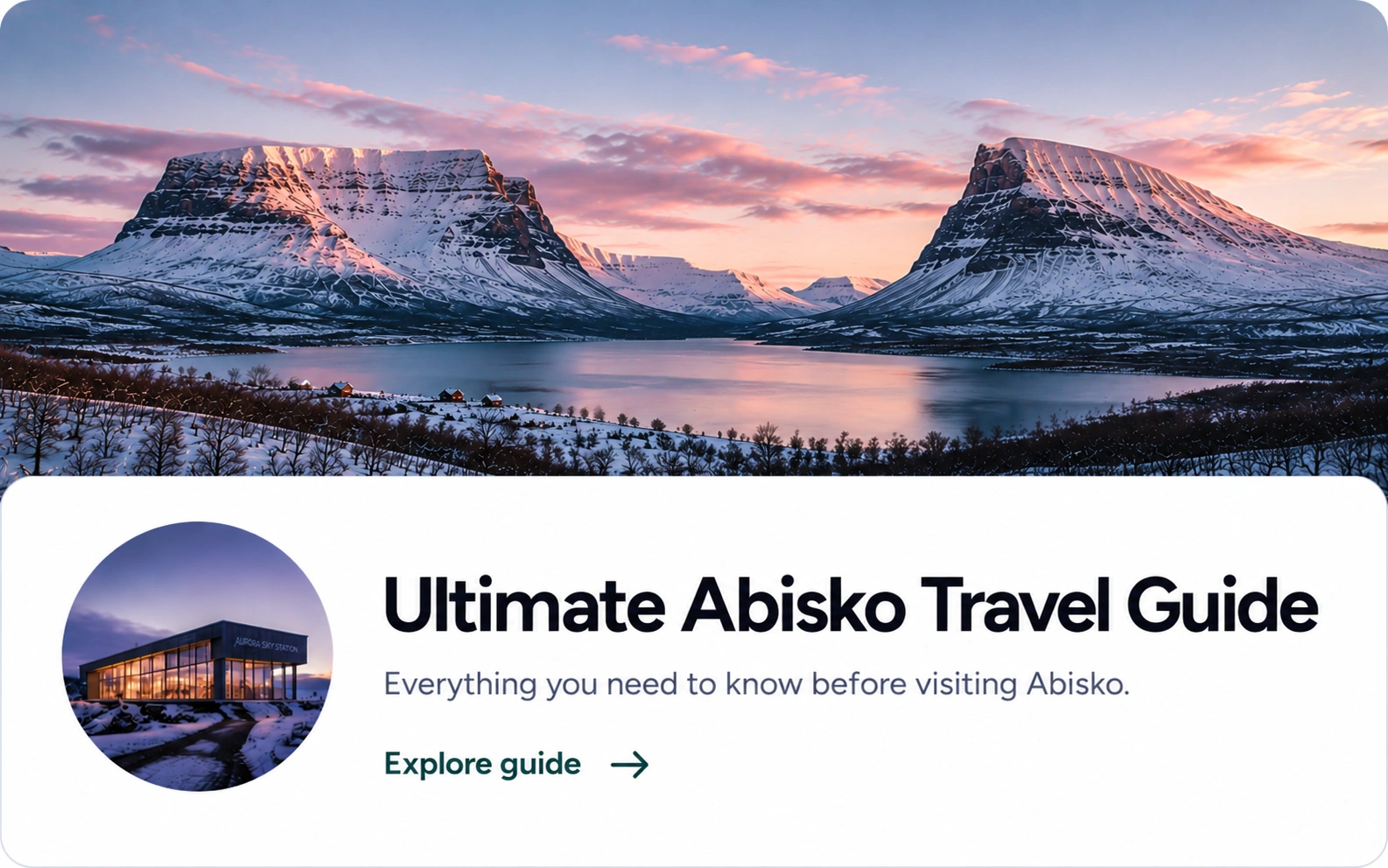
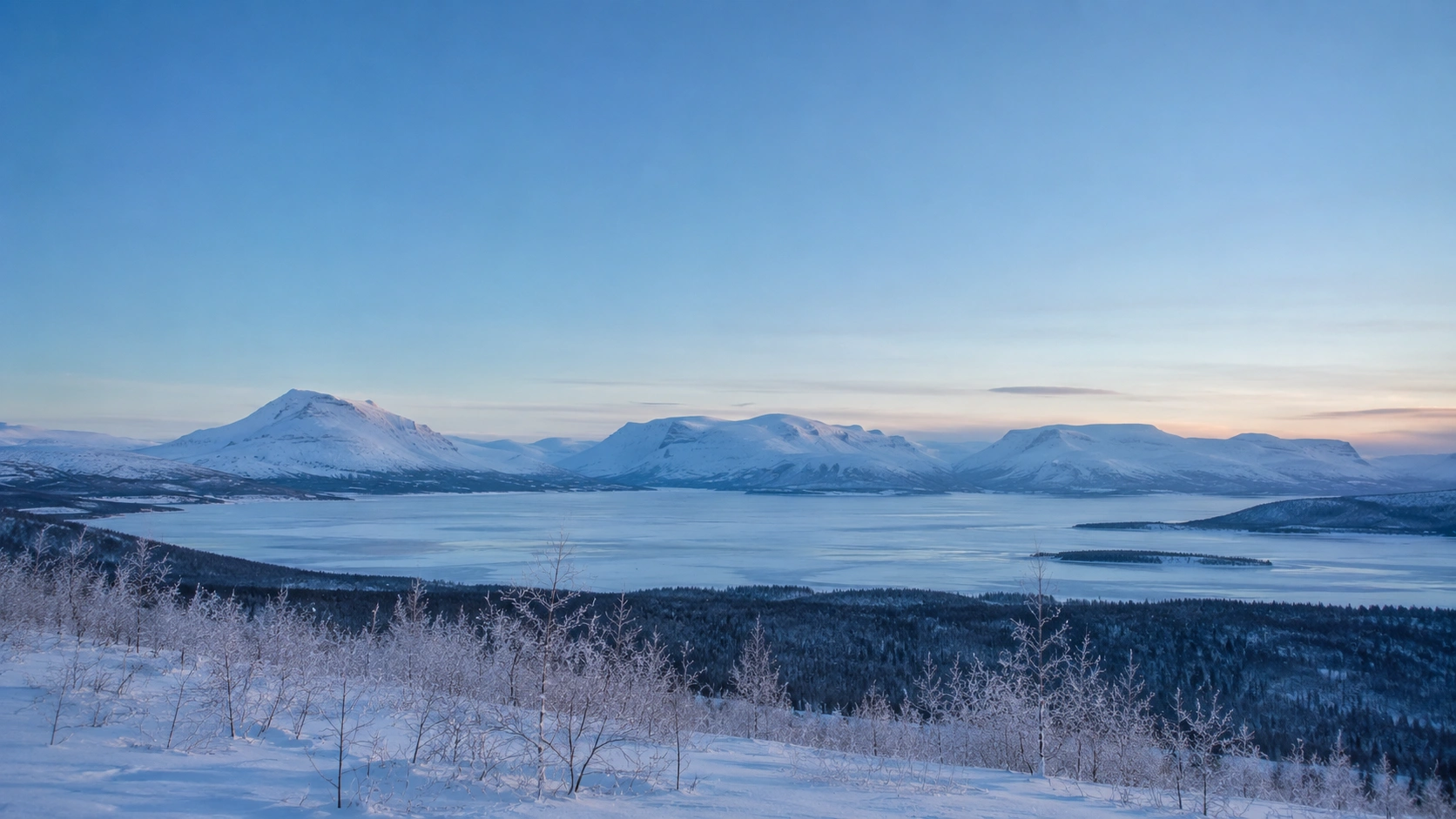
Abisko is one of Scandinavia's premier Arctic nature destinations, known for Northern Lights, mountain scenery, hiking trails and Abisko National Park. This guide explains when to visit, how long to stay, where to hike, where to stay, how to get there and how Abisko compares with nearby destinations such as Kiruna.
Abisko is often combined with nearby destinations such as Kiruna, Björkliden, Lake Torneträsk and Narvik, making it one of the most important travel bases in Swedish Lapland.
Essential Travel Information
| Fact | Information |
|---|---|
| Country | Sweden |
| Region | Swedish Lapland |
| National Park | Abisko National Park |
| Lake | Lake Torneträsk |
| Norwegian Border | Approximately 40 km |
| Best Summer Season | June–September |
| Main Activities | Hiking, photography, Aurora viewing and outdoor adventures |
Many travelers first discover Abisko through Northern Lights photography. However, the area's dramatic mountain scenery, hiking opportunities and national park experiences often become the highlight of their visit.
Where Is Abisko?
Abisko is a small village in Swedish Lapland located beside Lake Torneträsk and within Abisko National Park, approximately 100 kilometers west of Kiruna near the Norwegian border.
Its location along the railway between Kiruna and Narvik makes it one of the easiest Arctic destinations in Scandinavia to reach without a car. Many visitors travel by train directly from Kiruna, Stockholm or Narvik.
The combination of mountain landscapes, easy accessibility and protected nature has helped establish Abisko as one of northern Europe's most famous outdoor destinations.
Is Abisko Worth Visiting?
Yes. Abisko is widely considered one of the most beautiful destinations in Swedish Lapland and one of the best places in Europe for experiencing Arctic nature.
The destination appeals to a wide range of travelers, including hikers, photographers, nature enthusiasts and Northern Lights seekers. The area offers a different experience compared with Kiruna, focusing more on landscapes and outdoor exploration than on urban attractions.
Many visitors choose to combine Kiruna and Abisko during the same trip because the two destinations complement each other exceptionally well.
Abisko is worth visiting for its Northern Lights, mountain scenery, hiking trails, Arctic landscapes and world-famous national park. Many travelers consider it one of the highlights of Swedish Lapland.
Best Time to Visit Abisko
Abisko offers very different experiences depending on the season. Winter attracts Aurora travelers and snow enthusiasts, while summer brings hikers, photographers and outdoor adventurers.
| Season | Main Highlights |
|---|---|
| January–March | Northern Lights, winter landscapes and snow activities |
| April | Spring winter conditions and longer daylight |
| June–September | Hiking, Midnight Sun and outdoor adventures |
| October–November | Autumn scenery and early Aurora season |
Most winter visitors arrive between January and March, while hiking season typically peaks between July and September.
How Many Days Do You Need in Abisko?
Most visitors spend between one and three days in Abisko. The destination can be explored as a day trip from Kiruna, but staying overnight allows more time for hiking, photography and Northern Lights viewing.
Travelers focused on Aurora photography often stay two or three nights to increase their chances of clear skies and favorable viewing conditions.
Visitors combining Kiruna and Abisko typically spend the majority of their trip in Kiruna while dedicating one or two days to Abisko.
- Day Trip: National Park and scenery highlights.
- 2 Days: Hiking or Aurora experiences.
- 3 Days: Complete Abisko experience.
- 4+ Days: Hiking-focused itinerary.
Abisko Weather & Daylight
Abisko experiences dramatic seasonal changes that strongly influence visitor experiences throughout the year. Winter brings snow-covered landscapes, long periods of darkness and ideal Northern Lights conditions, while summer offers continuous daylight under the Midnight Sun.
Winter temperatures commonly range between -5°C and -20°C, although colder periods occasionally occur. Snow typically remains on the ground from late autumn until spring, creating excellent conditions for winter activities and photography.
During summer, daylight can last around the clock, allowing visitors to hike, explore and photograph the landscape at almost any hour. This contrast between Polar Night and Midnight Sun is one of the most fascinating aspects of visiting the Arctic.
Many visitors are surprised that Abisko often feels less harsh than expected. Dry Arctic air and appropriate clothing frequently make outdoor conditions more comfortable than temperature alone might suggest.
Northern Lights in Abisko
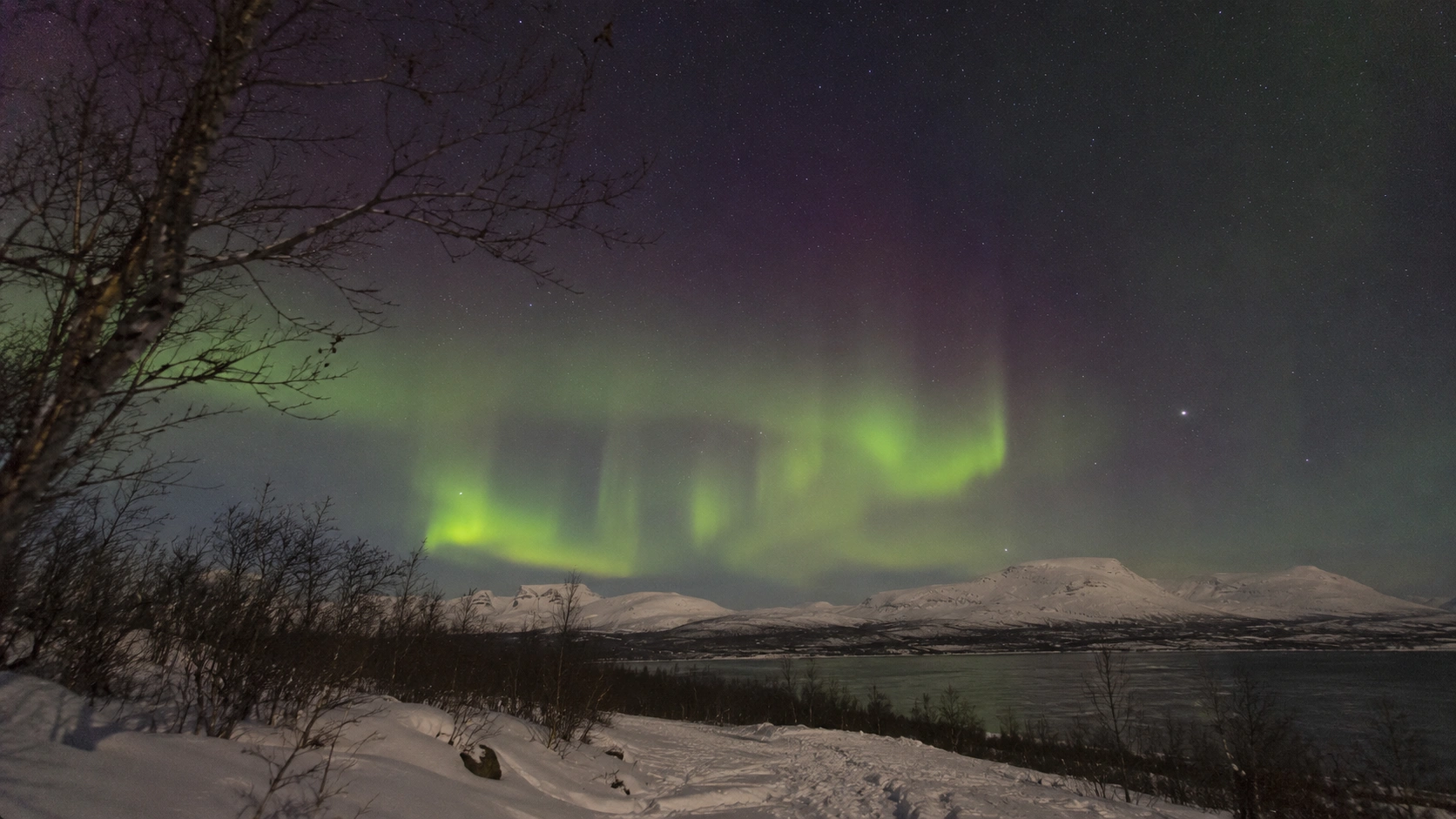
Abisko is internationally recognized as one of the best places in the world to see the Northern Lights. Its location above the Arctic Circle beside Lake Torneträsk, combined with minimal light pollution and favorable weather conditions, has made it a leading Aurora destination.
The Northern Lights season generally runs from September until early April. During winter, long nights provide extensive viewing opportunities, while spring often combines Aurora activity with more daylight and milder temperatures.
Although Aurora sightings can never be guaranteed, Abisko's reputation among photographers and Aurora enthusiasts has been built over decades of successful observations and exceptional Arctic scenery.
| Month | Northern Lights Potential |
|---|---|
| September | Good |
| October | Very Good |
| November | Very Good |
| December | Excellent |
| January | Excellent |
| February | Excellent |
| March | Excellent |
| April | Good |
Abisko is one of Europe's most famous Northern Lights destinations thanks to its Arctic location, dark skies and strong reputation among Aurora photographers and nature travelers.
Abisko National Park
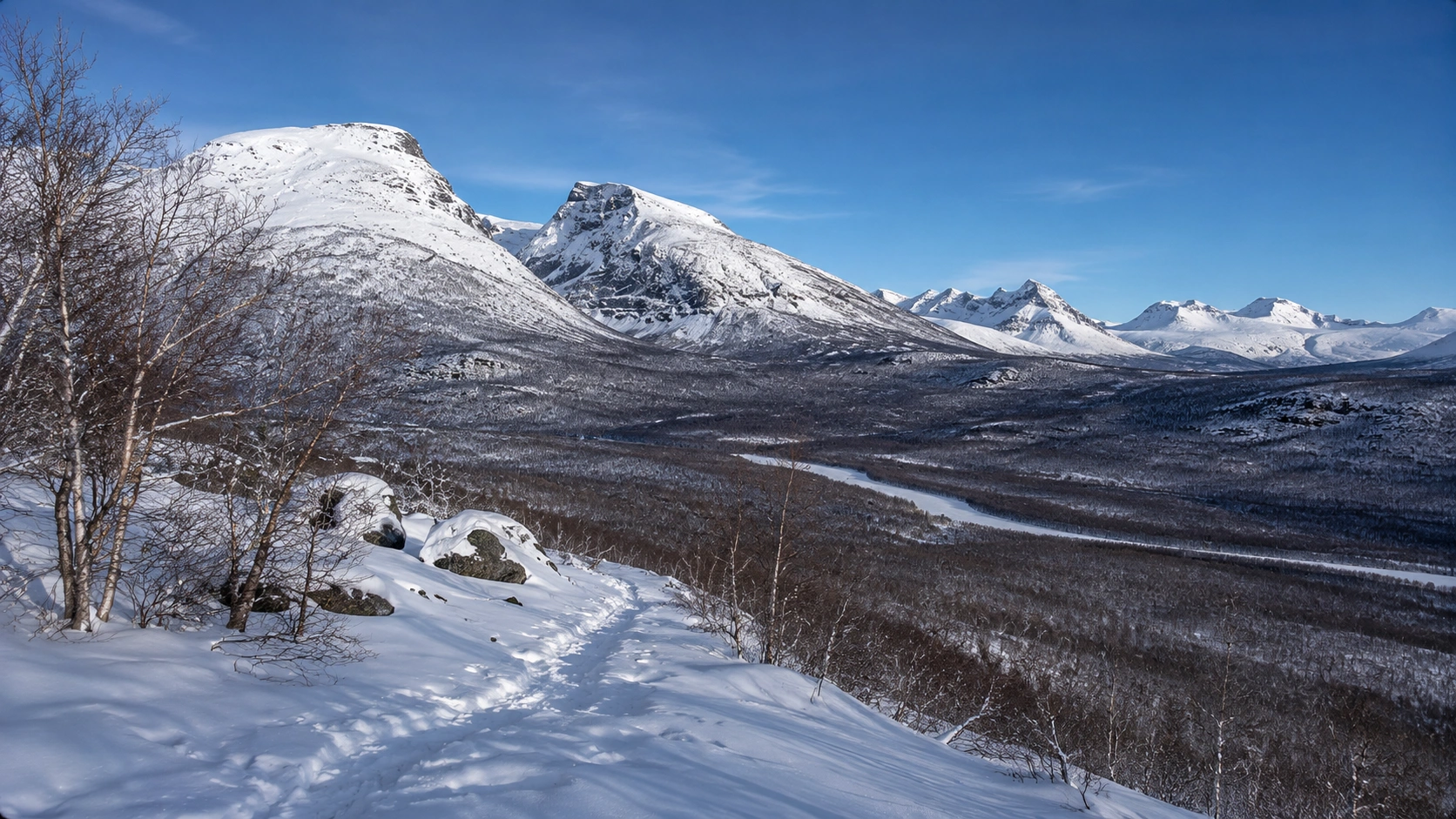
For a complete overview of trails, visitor facilities, seasonal conditions and highlights, read our dedicated guide: Abisko National Park Guide.
Abisko National Park is one of Sweden's oldest national parks and serves as the centerpiece of the region. Established in 1909, the park protects a unique Arctic landscape of mountains, valleys, rivers and tundra ecosystems.
The park is known for its accessibility, well-maintained trails and spectacular scenery. Visitors can explore the area independently or join guided excursions that provide additional insight into local geology, wildlife and natural history.
Throughout the year, the national park attracts hikers, photographers, birdwatchers and outdoor enthusiasts seeking some of the most iconic landscapes in Swedish Lapland.
For many visitors, the national park itself becomes the highlight of the trip. Even travelers who initially arrive for the Northern Lights often leave with stronger memories of the landscapes, hiking trails and mountain views.
Aurora Sky Station
Learn more about tickets, seasonal opening periods and what to expect in our dedicated guide: Aurora Sky Station Guide.
Aurora Sky Station is one of Abisko's most famous attractions and has played an important role in establishing the destination's international reputation for Northern Lights tourism.
Located on Mount Nuolja, the facility provides elevated views over the surrounding landscape and Lake Torneträsk. Visitors reach the station via a chairlift that operates during selected seasons and weather conditions.
The attraction combines scenic views, educational information and Northern Lights observation opportunities in a unique Arctic setting.
Hiking in Abisko
Abisko is one of Scandinavia's premier hiking destinations. The area offers trails suitable for both casual walkers and experienced outdoor enthusiasts, ranging from short scenic routes to multi-day wilderness adventures.
One of the most famous routes is the Kungsleden, or King's Trail, which begins in Abisko and stretches through some of Sweden's most spectacular mountain landscapes.
Summer and early autumn are generally considered the best seasons for hiking, although snow conditions can persist in higher elevations well into the warmer months.
- Short Walks: Scenic routes near the visitor center.
- Half-Day Hikes: Mountain viewpoints and valley trails.
- Full-Day Adventures: National Park exploration.
- Multi-Day Treks: The famous Kungsleden trail.
Best Things to Do in Abisko
Although Abisko is smaller than Kiruna, it offers a remarkable variety of experiences throughout the year. Most activities are closely connected to nature and the surrounding landscapes.
- See the Northern Lights
- Visit Abisko National Park
- Experience Aurora Sky Station
- Hike the Kungsleden trail
- Photograph Lake Torneträsk
- Explore Arctic landscapes
- Join guided nature excursions
- Experience the Midnight Sun
The best itineraries usually combine Aurora viewing with hiking, sightseeing and time spent exploring the national park.
Where to Stay in Abisko
Accommodation in Abisko ranges from hotels and guesthouses to mountain lodges and nature-focused stays. Unlike larger destinations, Abisko has a limited number of accommodation providers, making advance booking particularly important during the Northern Lights season.
Many visitors choose accommodation close to Abisko National Park or Lake Torneträsk to maximize access to hiking trails, Aurora viewing locations and outdoor activities.
Winter availability can become limited months in advance, especially between January and March when international demand is at its highest.
| Accommodation Type | Best For |
|---|---|
| Hotels | Convenience and comfort |
| Guesthouses | Budget-conscious travelers |
| Mountain Lodges | Outdoor enthusiasts |
| Nature Stays | Scenery and Aurora viewing |
Restaurants & Food in Abisko
Abisko's dining scene is smaller than Kiruna's but still offers visitors opportunities to enjoy traditional Swedish cuisine, Arctic ingredients and regional specialties.
Many restaurants focus on locally inspired dishes featuring fish, game meat, berries and ingredients associated with northern Scandinavia. Menus often vary according to season and availability.
Because restaurant options are limited, visitors should check opening hours and reservation requirements in advance, particularly during winter.
Many travelers choose to experience restaurants in both Abisko and Kiruna during the same trip. Together they provide a broader introduction to food culture in Swedish Lapland.
How to Get to Abisko
Despite its remote Arctic location, Abisko is relatively easy to reach. Most visitors travel through Kiruna before continuing west toward the national park.
The most common route involves flying to Kiruna Airport and then continuing by train, bus, rental car or organized transfer. The railway between Kiruna and Narvik passes directly through Abisko and is considered one of Scandinavia's most scenic train journeys.
Travelers arriving from Norway can also reach Abisko via Narvik, making it possible to combine Sweden and Norway within the same itinerary.
| Starting Point | Typical Travel Method |
|---|---|
| Kiruna | Train, bus, car or guided transfer |
| Stockholm | Flight to Kiruna plus onward transport |
| Narvik | Train or car |
Can You Visit Abisko Without a Car?
Yes. Abisko is one of the easiest destinations in Swedish Lapland to visit without a rental car. The railway station provides direct access to the area, and many activities can be reached on foot from central accommodation areas.
Guided tours, transfers and public transportation make it possible for visitors to explore both Abisko and nearby destinations without driving.
Most international visitors can comfortably experience Abisko without renting a car by using trains, transfers and organized excursions.
Day Trips from Abisko
Although many visitors focus on the national park itself, Abisko also provides access to several nearby destinations that can be explored during a day trip.
- Kiruna
- Jukkasjärvi and ICEHOTEL
- Narvik and the Norwegian fjords
- Lake Torneträsk viewpoints
- Mountain areas surrounding Abisko
These destinations allow travelers to experience different aspects of Arctic Scandinavia while maintaining Abisko as their base.
Kiruna vs Abisko
One of the most common travel-planning questions is whether to stay in Kiruna or Abisko. The answer depends on the type of experience you are seeking.
If you are still deciding where to base your trip, read our complete Kiruna Travel Guide for a broader overview of activities, accommodation and transport options.
| Kiruna | Abisko |
|---|---|
| More accommodation options | More nature-focused atmosphere |
| Wider range of activities | Stronger hiking opportunities |
| Larger selection of restaurants | Closer access to the national park |
| Convenient regional hub | Famous for Northern Lights and scenery |
For many travelers, the ideal solution is not choosing one or the other. Combining Kiruna and Abisko often provides the most complete Swedish Lapland experience.
Final Verdict: Is Abisko Worth Visiting?
Abisko offers one of Scandinavia's most rewarding Arctic nature experiences. Whether your goal is seeing the Northern Lights, hiking through mountain landscapes or exploring one of Sweden's most famous national parks, careful planning helps maximize your time in the region.
Most visitors achieve the best results by combining Abisko with Kiruna and allowing enough time to experience both the landscapes and the activities available throughout Swedish Lapland.
The combination of Aurora viewing, hiking, photography, mountain scenery and Arctic wilderness has helped establish Abisko as one of northern Europe's most respected outdoor destinations.