Is Kiruna the Right Base for Your Trip?
Kiruna works especially well for travelers who want several Arctic experiences from one base rather than a holiday built around a single attraction. Northern Lights, dog sledding, snowmobiling, Sámi experiences, Jukkasjärvi and Abisko can all form part of the same trip.
The main trade-off is that Kiruna is a regional base rather than a compact resort. Some of the places visitors most want to see are outside the city, so transport planning matters. In return, staying in the Kiruna area gives you a wider choice of activities, accommodation styles and day-trip options than basing an entire trip around one remote location.
| If your priority is... | Kiruna works well because... | Planning implication |
|---|---|---|
| Northern Lights plus daytime activities | You can combine aurora evenings with dog sledding, snowmobiling, culture and sightseeing. | Leave some evening flexibility for weather. |
| A first Swedish Lapland trip | Kiruna gives access to Jukkasjärvi, ICEHOTEL and Abisko as well as local activities. | A multi-day stay is more useful than a rushed overnight. |
| Car-free Arctic travel | Many visitors use transfers, guided tours and local transport instead of driving. | Confirm pickups and transport before arrival. |
| Pure mountain nature | Kiruna is a practical gateway to places such as Abisko and the wider mountain region. | Consider splitting your stay if nature is the main goal. |
Choose Kiruna when you want a flexible Swedish Lapland base with a mix of Northern Lights, winter activities, culture and day trips. Choose a more remote base when your trip is built almost entirely around one landscape or one specific outdoor objective.
Best Time to Visit Kiruna
The best time to visit depends on the trip you want. December through March is the main winter period for snow-based activities and long dark evenings. June through August is the clearest choice for summer travel, while September adds autumn scenery and the return of dark nights.
| Period | Best for | Main trade-off |
|---|---|---|
| December–March | Northern Lights, dog sledding, snowmobiling and snowy landscapes | Cold, short daylight in midwinter and high winter demand |
| April | Late snow season and longer daylight | Changing seasonal conditions |
| June–August | Midnight Sun, hiking, fishing and long outdoor days | No dark-sky Northern Lights viewing |
| September | Autumn landscapes, hiking and returning dark nights | Winter snow activities are not the main reason to visit |
| October–November | Early winter atmosphere and aurora-focused travel | Snow and activity conditions can be transitional |
If winter is your priority, the existing seasonal guidance for Kiruna consistently favors the core winter months rather than chasing one supposedly perfect date. For a deeper month-by-month decision, use the Best Time to Visit Kiruna guide.
Do not plan the entire trip around a single weather-dependent evening. A better Arctic itinerary mixes fixed daytime experiences with flexible Northern Lights plans so that clouds on one night do not define the whole visit.
How Many Days Do You Need in Kiruna?
Three to five days is the strongest general plan for most first-time visitors. That gives enough room for several activities, one or more Northern Lights opportunities and at least one major nearby destination without changing accommodation every day.
| Stay length | What it realistically allows |
|---|---|
| 2 days | A short highlights trip with one major daytime experience and an aurora evening. |
| 3 days | A balanced first visit with multiple activities and some weather flexibility. |
| 4–5 days | Time for Kiruna activities plus Abisko or Jukkasjärvi without rushing every day. |
| 6+ days | A slower regional itinerary with more weather margin and wider Swedish Lapland exploration. |
If you are deciding between a compact break and a longer itinerary, see How Many Days Do You Need in Kiruna?.
Northern Lights in Kiruna
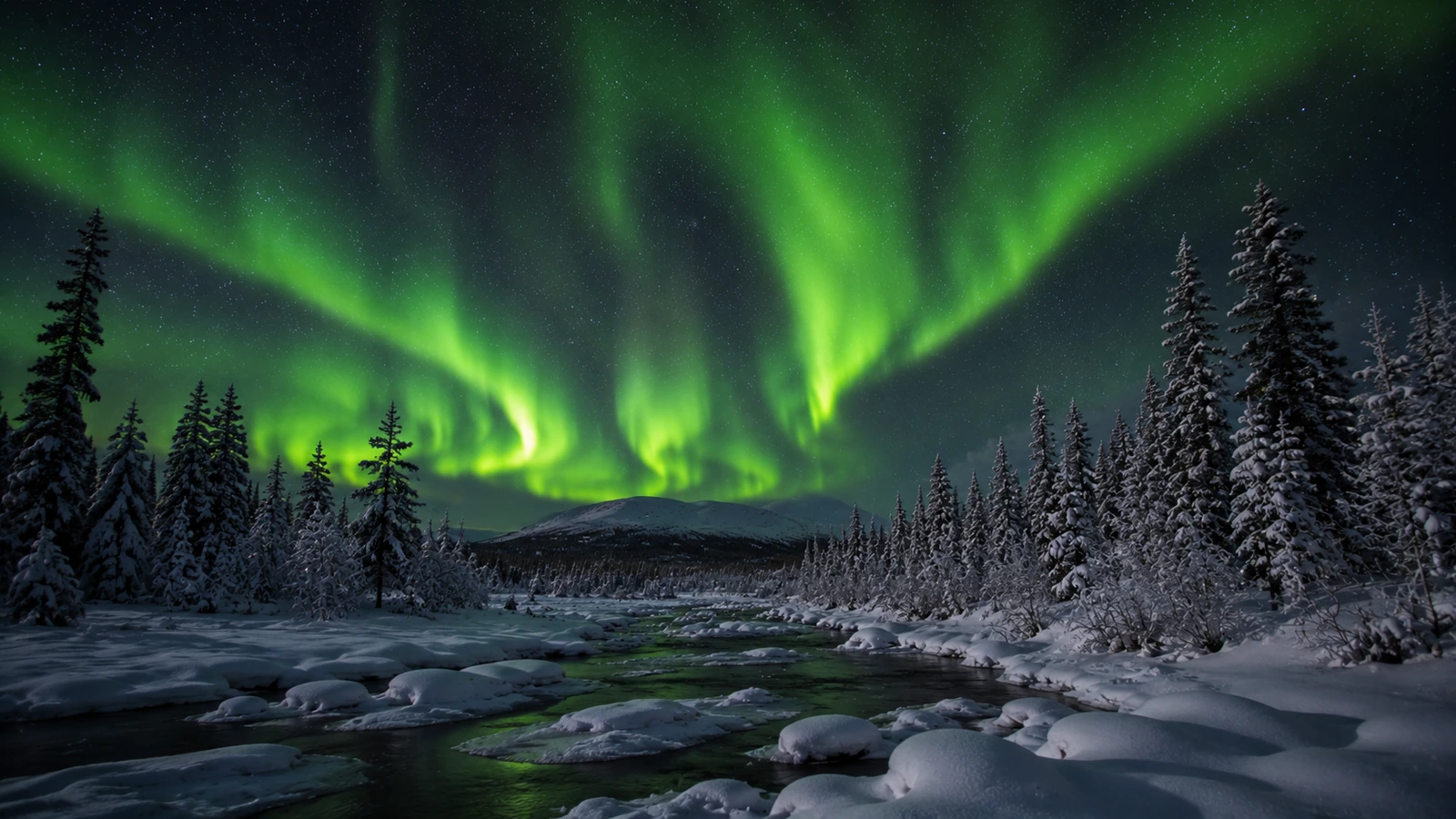
Kiruna is a strong Northern Lights destination because it lies above the Arctic Circle and has easy access to darker surroundings outside the city. The practical viewing season generally runs from September into early April, when nights are dark enough.
Aurora activity alone is not enough. Cloud cover, darkness and local light pollution determine whether you can actually see what is happening above you. A clear evening with moderate activity can be more useful than a stronger forecast hidden behind cloud.
For Northern Lights in Kiruna, prioritize clear sky and darkness before chasing a high forecast number. Stay flexible between evenings and avoid treating any single night as guaranteed.
For dedicated aurora planning, continue with Northern Lights in Kiruna or compare guided options in Best Northern Lights Tours in Kiruna.
Best Things to Do in Kiruna
Kiruna is most rewarding when you combine different types of experiences rather than booking several versions of the same activity. A strong first itinerary usually mixes one aurora-focused evening, one active winter experience, one cultural or place-based experience and time for a nearby destination.
| Experience | Best for | What to consider |
|---|---|---|
| Northern Lights | Most winter visitors | Weather and cloud cover remain unpredictable. |
| Dog sledding | Travelers wanting a quieter, traditional winter activity | Choose format and duration to match comfort and activity level. |
| Snowmobiling | Travelers wanting a more active way to cover winter terrain | Cold exposure and operating format matter. |
| Reindeer and Sámi experiences | Visitors who want cultural context alongside activities | Prioritize respectful, educational experiences. |
| ICEHOTEL and Jukkasjärvi | First-time visitors and design-focused travelers | Decide whether you want a day visit or an overnight experience. |
| Abisko | Nature, mountain scenery and aurora-focused travelers | Allow enough time for transport and weather. |
For a broader activity shortlist, see Things to Do in Kiruna. Dedicated planning guides are also available for dog sledding and snowmobile tours.
Abisko, Jukkasjärvi & ICEHOTEL
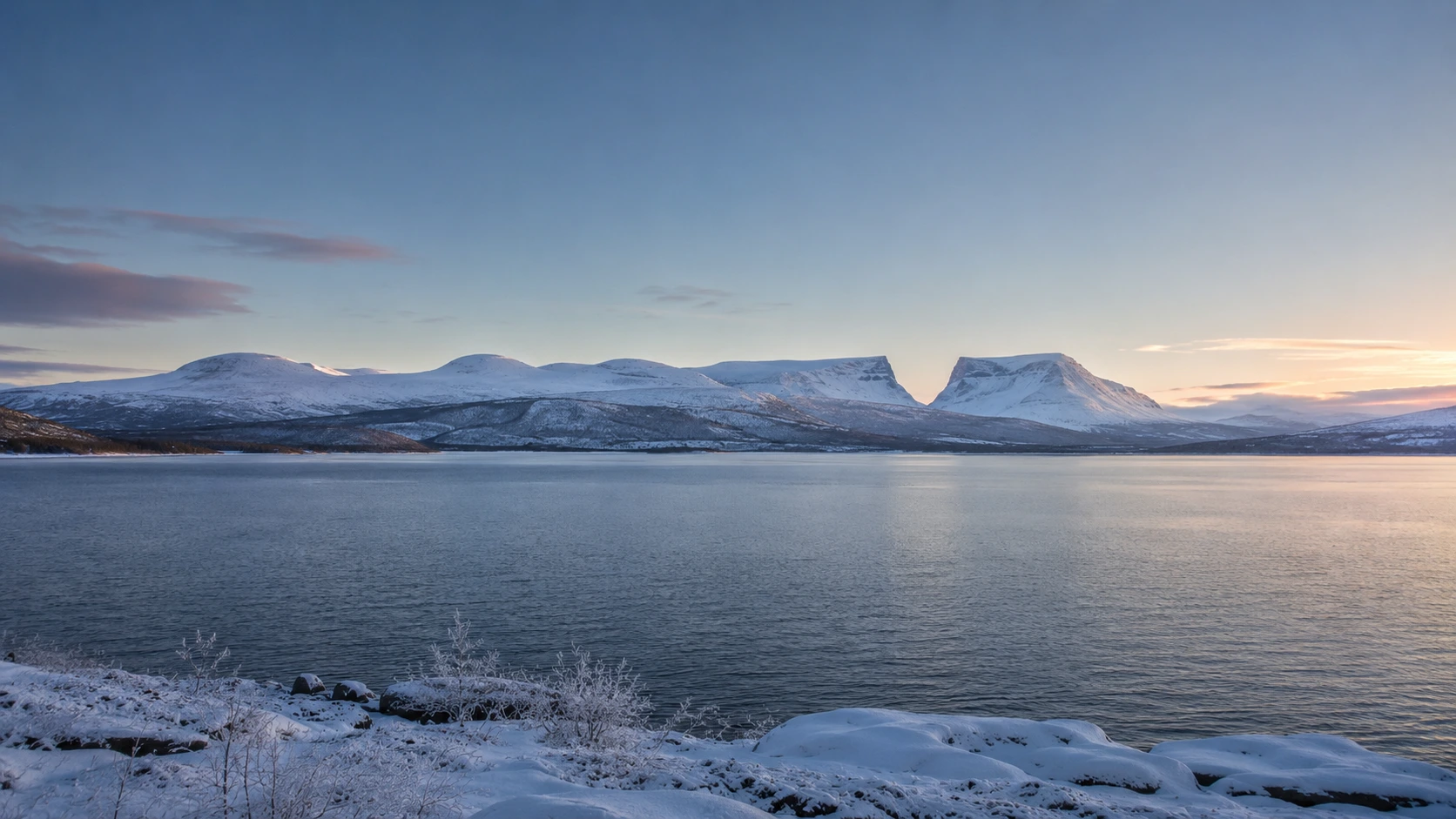
Two of the most important additions to a Kiruna itinerary are Abisko and Jukkasjärvi, but they serve different purposes. Abisko is primarily about national-park landscapes, mountain scenery and Northern Lights travel. Jukkasjärvi is closely associated with ICEHOTEL and also provides a different cultural and riverside setting from central Kiruna.
Abisko lies roughly 100 kilometers west of Kiruna, so it works as a day trip or as a separate overnight stop. If mountain scenery and nature are central to your trip, splitting nights between Kiruna and Abisko can make more sense than repeatedly traveling back and forth.
Jukkasjärvi is much closer to Kiruna and is commonly combined with the city in the same itinerary. ICEHOTEL is the area's best-known attraction and can be visited as part of a day plan or included as an overnight experience.
Use Kiruna for breadth and logistics, Abisko for a more nature-focused mountain experience, and Jukkasjärvi when ICEHOTEL or local cultural context is a priority. They complement each other better than they compete.
For detailed planning, use the Abisko Travel Guide and ICEHOTEL Jukkasjärvi Guide.
Sámi Culture & Local Context
Sámi culture is an important part of understanding the wider region. Visitors can encounter reindeer-related experiences, handicrafts, storytelling and local history, but the strongest experiences treat culture as living knowledge rather than as decoration for a winter activity.
Choose experiences that explain context, traditions and contemporary life, and give animals and people appropriate space. Reindeer herding is connected to Sámi livelihoods, so respectful behavior matters both on organized experiences and when encountering reindeer outdoors.
For more focused cultural planning, continue with the Jukkasjärvi Sámi Culture Guide.
Where to Stay in Kiruna
The best area depends on what you value most: convenience, darkness, a unique accommodation experience or proximity to a particular attraction. Central accommodation generally simplifies restaurants and transport. Stays outside town can offer quieter surroundings and a stronger nature focus but require more planning.
| Accommodation style | Best for | Main trade-off |
|---|---|---|
| Central hotels | Convenience, restaurants and simple pickups | More urban surroundings and artificial light |
| Guesthouses | Travelers prioritizing a simpler stay | Facilities and location vary |
| Glass igloos | Travelers who want accommodation to be part of the Arctic experience | Usually requires more deliberate transport and itinerary planning |
| Wilderness-style stays | Nature atmosphere and quieter surroundings | Fewer nearby services |
Winter demand can limit availability, so accommodation is one of the parts of a Kiruna trip worth deciding early. Compare the main options in Where to Stay in Kiruna.
Restaurants & Local Food
Kiruna's food options include casual dining as well as menus influenced by northern ingredients. Reindeer, moose, Arctic char, berries and other regional ingredients can appear in local cooking, while visitors who prefer familiar food still have broader choices than they would in a small wilderness base.
During busy winter periods, build meal planning into the itinerary rather than assuming every evening will be easy to organize at the last minute. This matters especially when an evening tour, transfer or accommodation outside town affects when and where you can eat.
For restaurant-focused planning, see Best Restaurants in Kiruna.
Getting to Kiruna
Kiruna can be reached by air, rail and road, which is one reason it works well as a gateway to Swedish Lapland. Kiruna Airport is the closest airport, while rail connections make it possible to arrive without flying or continue west toward Abisko and Narvik.
The best route depends on where you start, how much time you have and whether the journey itself is part of the experience. Avoid building a tight same-day connection around winter conditions without allowing margin for delays.
For route-by-route planning, use How to Get to Kiruna, Kiruna Airport Guide and How to Travel to Kiruna from Abroad.
Getting Around Kiruna Without a Car
You do not automatically need a rental car in Kiruna. Many visitors combine airport transfers, local transport, taxis and guided activities that include pickup. This can be easier than winter driving if most of your itinerary is already tour-based.
A car becomes more useful when you want to control your own timing, visit several locations independently or stay somewhere with limited nearby services. The trade-off is that winter driving requires confidence, weather awareness and flexible timing.
- No car: confirm airport transfer, tour pickup points and evening return plans before arrival.
- Rental car: allow extra time for weather and road conditions.
- Outside-town accommodation: plan meals and transport together, not as separate decisions.
- Abisko day trip: match transport times to the activity you actually want to do.
For a complete car-free strategy, see Kiruna Without a Car.
What to Wear & Pack
Winter comfort in Kiruna depends less on one heavy garment than on a complete layering system. Thermal base layers, insulating mid-layers, a warm outer layer, insulated boots, wool socks, mittens or gloves, a hat and neck or face protection form the practical core.
Dress for the coldest part of the day rather than for the walk from a hotel to a vehicle. Northern Lights watching can mean standing still, which often feels colder than active daytime excursions.
- Thermal base layers
- Insulating mid-layers
- Warm weather-resistant outer layer
- Insulated winter boots
- Warm socks
- Mittens or gloves
- Hat and neck or face protection
- Spare battery capacity for phones or cameras in cold weather
Use the What to Wear in Swedish Lapland guide for more detailed clothing planning.
Best Day Trips from Kiruna
Kiruna works well as a base because several very different experiences can be reached without moving accommodation. The strongest day trip depends on whether you want scenery, culture or a famous attraction.
| Destination | Best reason to go | Best planning approach |
|---|---|---|
| Jukkasjärvi | ICEHOTEL and a different local setting from central Kiruna | Easy to combine with another nearby experience |
| Abisko | National park, mountain scenery and nature-focused travel | Give the trip most of a day rather than squeezing it between other bookings |
| Narvik | A Norwegian extension with different scenery | Expect a substantially longer travel day |
| Kebnekaise area | Mountain-focused travel | Plan according to route, season and the specific outdoor objective |
Plan Kiruna by Travel Style
| Traveler type | Prioritize | Avoid |
|---|---|---|
| First-time winter visitor | 3–5 days, one aurora evening, one active winter tour, Jukkasjärvi or Abisko | Booking every hour with no weather margin |
| Aurora-first traveler | Several nights, dark-sky access and flexibility | Assuming one forecast or one night guarantees a display |
| Family | Shorter activity days, simple transport and warm indoor breaks | Overloading the itinerary with long cold exposures |
| Car-free visitor | Central or transfer-friendly accommodation and pickup-inclusive activities | Choosing remote accommodation before solving meals and transport |
| Summer traveler | Hiking, fishing, long daylight and regional nature | Using a winter itinerary as the template for the trip |
Common Kiruna Planning Mistakes
- Planning the whole trip around seeing the Northern Lights on one specific night.
- Booking accommodation without checking how you will reach tours, restaurants and the airport.
- Trying to combine too many major activities in one day.
- Underestimating how cold it feels when standing still outdoors.
- Treating Kiruna, Abisko and Jukkasjärvi as interchangeable rather than giving each a clear role in the itinerary.
- Leaving popular winter accommodation and key activities until the last moment.
- Assuming a rental car is essential when a transfer-based itinerary may be simpler.
The strongest Kiruna itineraries are usually not the busiest. Leave enough room for weather, recovery after cold outdoor activities and a change of plan when conditions make a different evening or day trip more sensible.
Final Verdict: Is Kiruna Worth Visiting?
Yes, especially if you want a first Swedish Lapland trip that combines Northern Lights, winter activities, culture and access to several distinct destinations. Kiruna's advantage is not one single attraction; it is the ability to build a varied Arctic itinerary around one practical regional base.
For most first-time visitors, three to five days is a strong starting point. Use Kiruna for logistics and activity choice, add Jukkasjärvi for ICEHOTEL and local context, and add Abisko when mountain scenery or dedicated nature time is a priority.