Short Answer
The best time to visit Kiruna depends on what you want to experience.
February and March are the best overall months because they combine reliable snow, excellent Northern Lights opportunities, longer daylight and full access to winter activities.
September is ideal for autumn colors and early Aurora viewing, while June and July are best for Midnight Sun, hiking and summer adventures.
Most first-time visitors choose February or March for the best balance of Arctic experiences.
Visiting Kiruna in Winter (December–March)
Winter is the most popular season to visit Kiruna, and for good reason. This is when Swedish Lapland transforms into a true Arctic wonderland with deep snow, frozen rivers and excellent opportunities for Northern Lights viewing.
What to Expect in Winter
| Aspect | Details |
|---|---|
| Temperatures | -10°C to -30°C |
| Daylight | Very limited (December: 0–4 hours, March: 8–12 hours) |
| Snow Cover | Deep and reliable |
| Northern Lights | Excellent (peak season) |
Key Winter Activities
- Northern Lights viewing – December through March offers the best Aurora conditions
- Dog sledding – One of the most iconic Arctic experiences
- Snowmobile tours – Explore frozen rivers and wilderness areas
- ICEHOTEL – The original ice hotel is rebuilt each winter
- Sámi cultural experiences – Reindeer sledding and traditional food
- Snowshoe hiking – Quiet exploration of snowy forests
What to Know Before You Go
Winter in Kiruna is cold. Temperatures regularly drop below -20°C, and during the darkest weeks of December, daylight lasts only a few hours. However, the rewards are spectacular: dancing Northern Lights, pristine snow and a true Arctic atmosphere.
For complete winter planning, see our Northern Lights in Kiruna Guide, Best Time to See Northern Lights in Kiruna, Kiruna Winter Itinerary and What to Wear in Swedish Lapland.
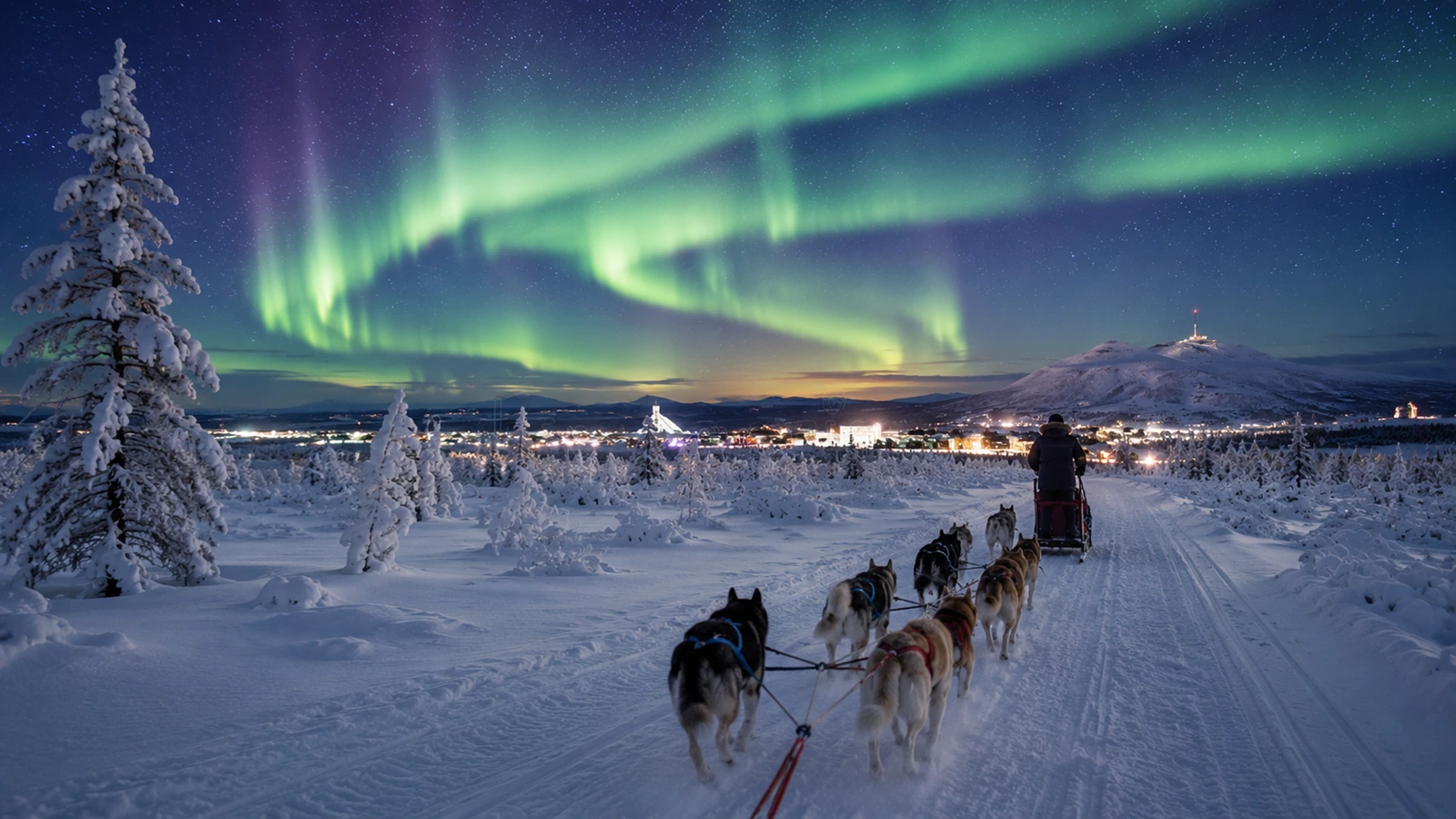
Winter in Kiruna offers deep snow, frozen landscapes and some of the best Northern Lights viewing in Europe.
Visiting Kiruna in Spring Winter (April)
April is not spring in the way most travelers imagine it. In Kiruna, April is still winter – but with rapidly increasing daylight and more comfortable temperatures. This is sometimes called "spring winter" or "late winter."
What to Expect in April
| Aspect | Details |
|---|---|
| Temperatures | -5°C to +5°C |
| Daylight | Rapidly increasing (12–16 hours) |
| Snow Cover | Still deep in early April, melting by late April |
| Northern Lights | Limited (season ends mid-April) |
April Activities
- Late-season skiing – Still possible in early April
- Snowmobile tours – Operating until snow melts (usually late April)
- Ice fishing – Best in early April before ice thins
- Photography – Beautiful light and snow-covered landscapes
- Lower prices – Accommodation and tours are often cheaper
Advantages of April
- Much more daylight – Far longer days than December–January
- Fewer crowds – Peak winter season ends in March
- Lower prices – Many hotels and tours offer discounts
- Comfortable temperatures – Warmer than mid-winter
Disadvantages of April
- Northern Lights are ending – Aurora season finishes around mid-April
- Melting snow – Late April snow can be slushy
- Limited services – Some tours and attractions close between seasons
For more information on shoulder season travel, see our Kiruna Travel Guide.
Visiting Kiruna in Summer (June–August)
Summer is a completely different experience from winter. The snow melts, the landscape turns green and the sun never sets. This is the season for hiking, fishing and experiencing the Midnight Sun.
What to Expect in Summer
| Aspect | Details |
|---|---|
| Temperatures | +5°C to +15°C |
| Daylight | 24 hours (Midnight Sun: June 12 – July 19) |
| Snow Cover | None (except on high mountain peaks) |
| Northern Lights | Not visible (24-hour daylight) |
Key Summer Activities
- Midnight Sun viewing – The sun never sets for approximately 6 weeks
- Hiking – Kungsleden (King's Trail) and Abisko National Park
- Fishing – Arctic char in Lake Torneträsk and mountain streams
- Canoeing and kayaking – Paddle on crystal-clear Arctic waters
- Bird watching – Arctic tern, golden plover and whooper swan
- Mountain biking – Trails around Kiruna and Abisko
What to Know Before You Go
Summer in Kiruna is surprisingly green and vibrant. The Midnight Sun means you can hike or fish at 1:00 AM in full daylight. However, be prepared for mosquitoes in July and unpredictable weather – pack layers and rain gear.
For summer planning, see our Kiruna in Summer & Autumn Guide.
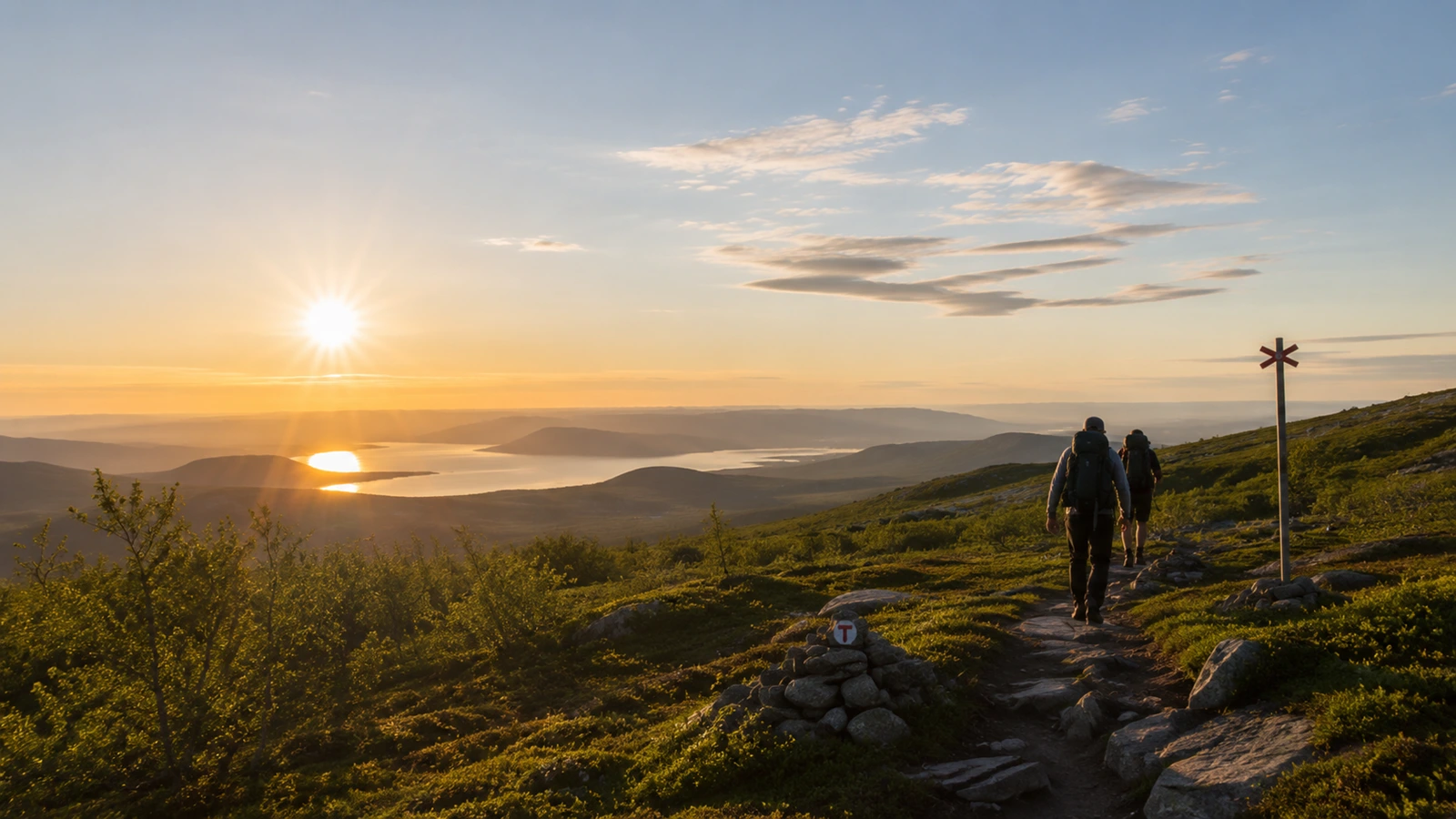
Summer in Kiruna offers 24-hour daylight, hiking in Abisko National Park and peaceful evenings under the Midnight Sun.
Visiting Kiruna in Autumn (September–November)
Autumn is a hidden gem for travelers who want to see the Northern Lights without extreme cold. September is one of the best months in Kiruna – the combination of autumn colors, the return of the Aurora and comfortable temperatures is hard to beat.
What to Expect in Autumn
| Aspect | Details |
|---|---|
| Temperatures | -5°C to +5°C |
| Daylight | Decreasing rapidly (September: 12–14 hours, November: 2–6 hours) |
| Snow Cover | First snowfalls in October |
| Northern Lights | Returns mid-September |
Key Autumn Activities
- Northern Lights viewing – Season returns in mid-September
- Autumn photography – Golden birch forests and colorful landscapes (Ruska)
- Hiking – Trails are still accessible in September
- Cloudberry picking – Late August to September
- First snow experiences – Late October to November
Why September Is One of the Best Months
- Autumn colors (Ruska) – The birch forests turn golden yellow, creating spectacular photo opportunities
- Northern Lights return – See Aurora without extreme cold
- Comfortable temperatures – Much warmer than winter (-5°C to +5°C)
- Fewer tourists – Shoulder season means lower prices
- Hiking still possible – Trails in Abisko National Park are still accessible
- No mosquitoes – Unlike July and August
Why Visit in October–November
- First snow – Magical winter landscapes from late October
- Dark skies – Excellent Northern Lights conditions
- Quiet travel – Very few tourists before the winter peak
For autumn planning, see our Kiruna in Summer & Autumn Guide.
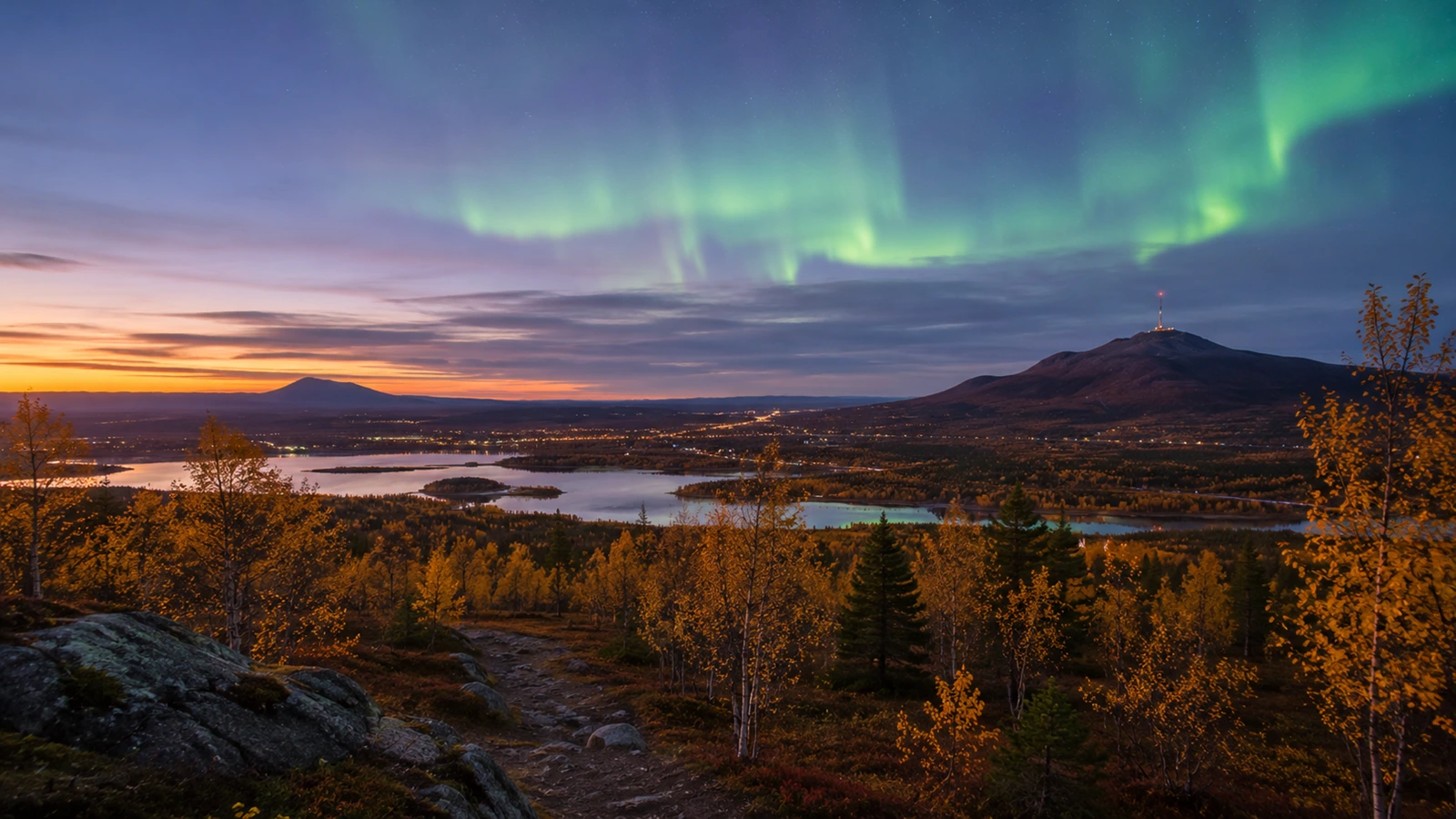
Autumn in Kiruna combines golden birch forests, the return of the Northern Lights and comfortable temperatures for outdoor activities.
Month-by-Month Guide
Here is a detailed month-by-month breakdown to help you choose the perfect time for your visit.
| Month | Conditions | Recommended For | Northern Lights |
|---|---|---|---|
| January | Deep winter, very cold, short daylight | Northern Lights, winter magic | Excellent |
| February | Deep winter, longer daylight | Best overall, winter activities | Excellent |
| March | Winter, good daylight, comfortable cold | Best overall, photography | Excellent |
| April | Spring winter, melting snow, longer days | Late-season skiing, quiet travel | Limited |
| May | Dead season, melting, no snow or greenery | Least rewarding for first-time visitors | No |
| June | Midnight Sun, green landscapes, hiking | Summer adventures, Midnight Sun | No |
| July | Warmest month, Midnight Sun, mosquitoes | Hiking, fishing, canoeing | No |
| August | Midnight Sun fading, hiking, berries | Nature experiences, hiking, berry season | No |
| September | Autumn colors, Aurora returns, comfortable | Photography, Aurora, hiking, autumn colors | Good |
| October | First snow, darkening skies | Northern Lights, quiet travel | Very Good |
| November | Dark season, snow cover | Early Aurora, winter atmosphere | Very Good |
| December | Polar night, peak winter | Northern Lights, ICEHOTEL, winter magic | Excellent |
Is There a Worst Time to Visit Kiruna?
May is the least rewarding month for first-time visitors to Kiruna.
Why May Is Difficult
- Snow activities are ending – Most winter tours, including dog sledding and snowmobiling, stop operating
- Northern Lights are gone – The Aurora season ends in early April
- Midnight Sun has not arrived – The sun still sets, and daylight is not yet 24 hours
- Landscape is messy – Melting snow reveals mud, gravel and debris
- Some seasonal tours are closed – Many attractions and services operate reduced hours or close entirely between seasons
The Exception
If you are looking for complete solitude and the lowest possible prices, May might work for you. Just go in with realistic expectations – you are visiting during the quietest time of year.
For most travelers, September, February or March are much better choices.
Best Time for Northern Lights
The Northern Lights season in Kiruna runs from September to early April. The best months are December, January, February and March.
| Month | Northern Lights Potential | Why |
|---|---|---|
| September | Good | Mild temperatures, Aurora returns |
| October | Very Good | Darker skies, first snow |
| November | Very Good | Long nights, snow cover |
| December | Excellent | Peak darkness |
| January | Excellent | Peak darkness |
| February | Excellent | Good balance of darkness and daylight |
| March | Excellent | Longer daylight, comfortable temperatures |
| April | Limited | Season ends mid-month |
For complete Northern Lights planning, see our Northern Lights in Kiruna Guide and Best Time to See Northern Lights in Kiruna.
Best Time for Snow Activities
Snow activities require reliable snow cover and comfortable enough temperatures for outdoor adventures. The best period is December to April.
| Activity | Best Months | Notes |
|---|---|---|
| Dog Sledding | December–April | Peak conditions December–March |
| Snowmobiling | December–April | Best snow December–March |
| Snowshoe Hiking | December–April | Beautiful in March with longer daylight |
| ICEHOTEL | December–April | Original hotel open December–April |
| Ice Fishing | February–April | Best when ice is thickest |
For activity-specific guides, see our Dog Sledding Guide, Snowmobile Tours Guide and Snowshoe Hiking Guide.
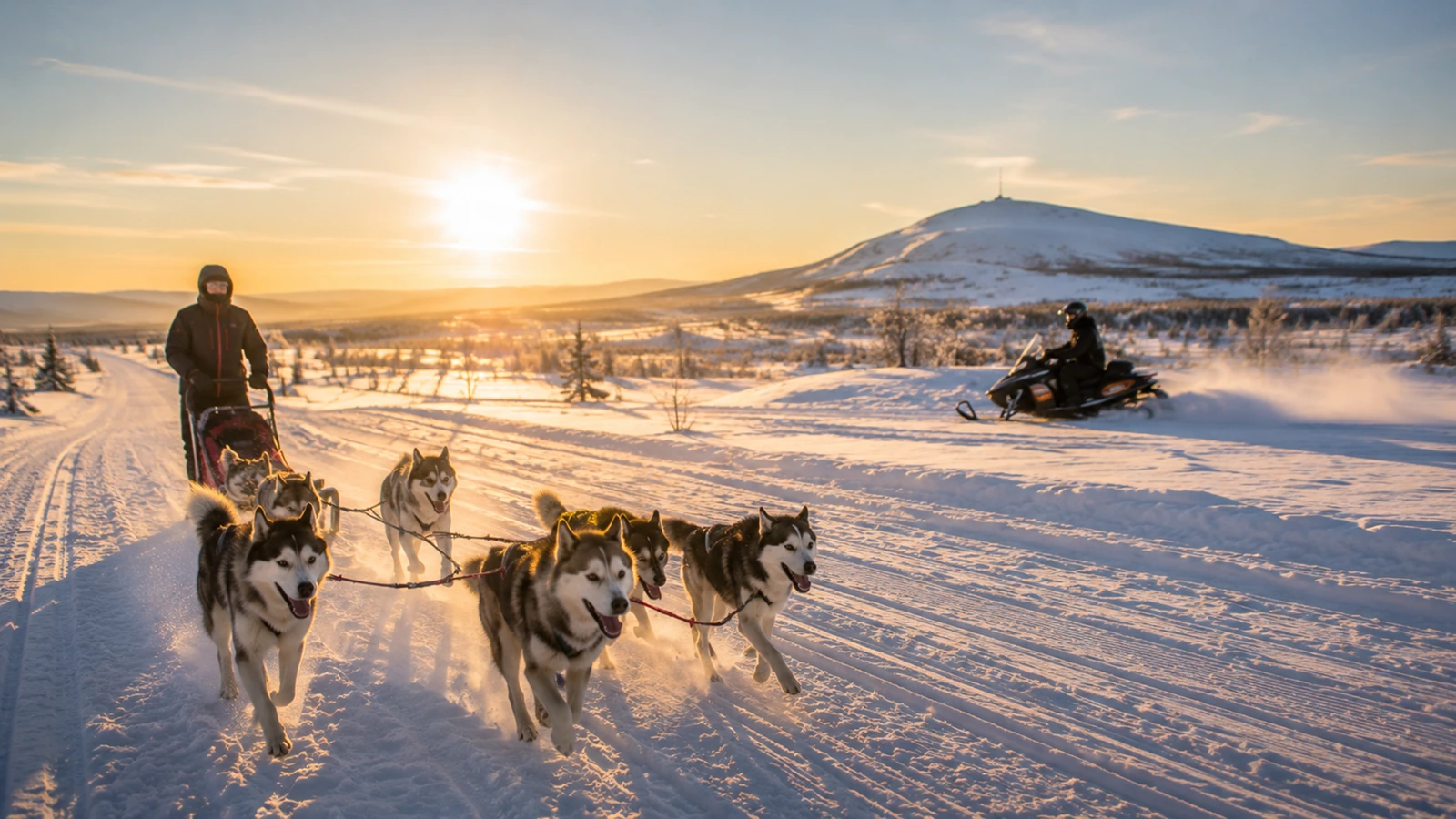
March offers the perfect balance of reliable snow, longer daylight and comfortable temperatures for winter activities.
Best Time for First-Time Visitors
If you can only visit Kiruna once, February and March are usually the best months.
They combine:
- Reliable snow – Deep snow cover perfect for all winter activities
- Longer daylight – More hours of light than December–January
- Northern Lights – Still excellent Aurora conditions
- Full activity availability – All tours and attractions are operating
- Better photography conditions – Golden light and snowy landscapes
- Comfortable temperatures – Still cold, but more manageable than January
Why Not December or January?
December and January offer the most dramatic winter atmosphere and excellent Northern Lights. However, the very short daylight (0–4 hours) and extreme cold (-20°C to -30°C) can be challenging for first-time Arctic visitors.
February and March give you 85–90% of the winter magic with significantly better conditions for enjoying outdoor activities.
What About September?
September is also excellent for first-time visitors who want to avoid extreme cold. You get autumn colors, comfortable temperatures and the return of the Northern Lights – but no snow activities.
For a sample winter itinerary, see our Kiruna Winter Itinerary.
Final Verdict
Here is a quick summary to help you decide.
| If you want... | Best time |
|---|---|
| Best overall experience | February–March |
| Best Northern Lights | December–March |
| Best snow activities | December–April |
| Best hiking | June–September |
| Best Midnight Sun | June–July |
| Best autumn colors | September |
| Best for photographers | September or March |
| Best budget travel | October–November or April |
| Best first visit | February or March |
Still unsure? Ask yourself two questions:
- Do you want to see the Northern Lights? → Visit September–March
- Do you want to hike and see the Midnight Sun? → Visit June–July
If you want both, you need two trips – one in winter and one in summer. Many travelers return to Swedish Lapland because the seasons are so different.
Plan Your Trip to Kiruna
Compare seasons, activity availability and daylight conditions so you can choose the perfect time to visit Kiruna based on your travel goals.