Short Answer for Travelers
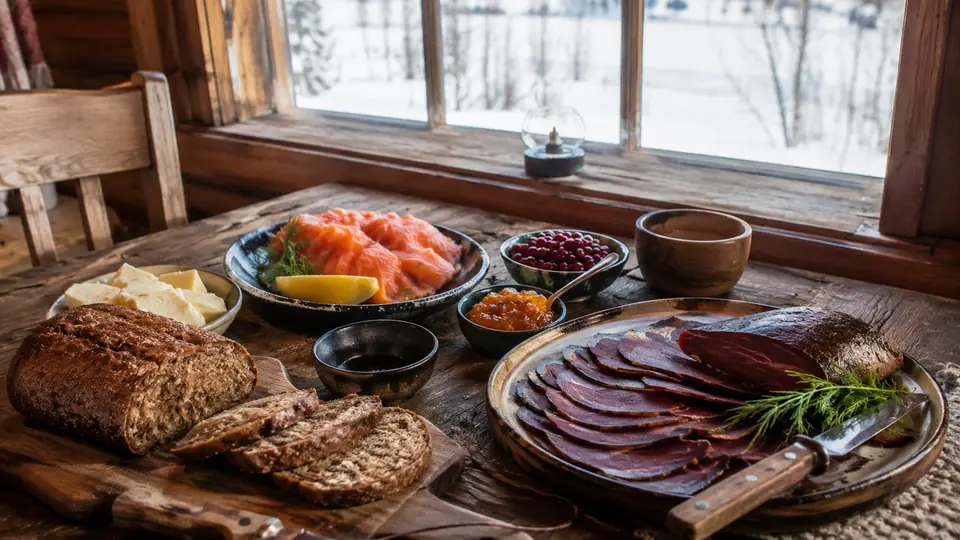
Kiruna is famous for reindeer dishes, Sami food traditions, Arctic char, cloudberries and Swedish fika. Suovas, a lightly smoked reindeer meat, is widely considered the region's signature dish, while Arctic char, moose and cloudberry-based desserts are among the most popular local specialties found throughout Swedish Lapland.
Kiruna is famous for traditional Arctic food including reindeer dishes, Sami cuisine, Arctic char, cloudberries, moose and Swedish fika, all shaped by life above the Arctic Circle.
For additional planning, see our Best Restaurants in Kiruna, Best Fika & Local Food in Kiruna and Sami Culture in Swedish Lapland.
What Food Is Kiruna Famous For?
Kiruna is famous for food that reflects the natural environment of Swedish Lapland. Traditional ingredients such as reindeer, Arctic char, moose and wild berries have shaped local food culture for generations and remain central to many dining experiences today.
Unlike larger cities where food traditions are influenced by international cuisine, Kiruna's culinary identity remains closely connected to Arctic nature. Seasonal ingredients, Sami traditions and locally sourced products continue to play an important role in restaurants and food experiences across the region.
Visitors looking for authentic local food will quickly discover that reindeer meat is the most recognizable ingredient. Arctic char from northern lakes, cloudberries from Arctic wetlands and Swedish fika culture are also important parts of the region's culinary heritage.
| Food | Why It Is Famous | Where Visitors Encounter It |
|---|---|---|
| Suovas | Traditional Sami lightly smoked reindeer meat | Restaurants and Sami-inspired food experiences |
| Reindeer Meat | The most important traditional meat in Swedish Lapland | Restaurants, stews, grilled dishes and tasting menus |
| Arctic Char | Cold-water fish connected to northern lakes and rivers | Restaurants in Kiruna, Abisko and Jukkasjärvi |
| Cloudberries | Iconic Arctic berry used in desserts and preserves | Cafés, restaurants, jams and seasonal desserts |
| Swedish Fika | Coffee and pastry tradition found across Sweden | Cafés and bakeries throughout Kiruna |
Many visitors arrive expecting Northern Lights and winter landscapes to define their trip. They often leave surprised by how memorable Kiruna's food culture becomes, particularly traditional reindeer dishes and locally sourced Arctic ingredients.
Sami Food Traditions
The Sami are the Indigenous people of Sápmi, a cultural region stretching across northern Sweden, Norway, Finland and parts of Russia. For centuries, Sami communities developed food traditions adapted to Arctic conditions where preserving food and making use of seasonal resources were essential for survival.
Traditional Sami food is built around ingredients available in the surrounding landscape. Reindeer has historically been the most important source of food, while fish, wild game and foraged berries have also played major roles throughout the region.
Smoking, drying and curing food allowed ingredients to be stored through long winters. Many of these methods are still reflected in modern Sami-inspired dishes served throughout Kiruna and Swedish Lapland today.
| Traditional Ingredient | Typical Use |
|---|---|
| Reindeer | Smoked, dried or cooked as stews and grilled dishes |
| Arctic Char | Fresh, smoked or grilled |
| Cloudberries | Desserts, jams and sauces |
| Moose | Stews, burgers and seasonal dishes |
| Lingonberries | Side dishes and preserves |
For a deeper understanding of the region's Indigenous heritage, see our Sami Culture in Swedish Lapland guide.
Suovas – Kiruna's Signature Dish
Suovas is widely considered Kiruna's most famous local dish and one of the best-known examples of traditional Sami food. The name comes from the Northern Sami language and refers to lightly smoked reindeer meat that has been preserved using traditional Arctic methods.
Unlike heavily smoked meats, suovas has a subtle smoky flavor that enhances rather than dominates the natural taste of the reindeer. The meat is typically sliced thinly and quickly fried or grilled before serving.
Today, suovas appears on menus throughout Kiruna in both traditional and modern forms. Some restaurants serve it as a main course with potatoes and lingonberries, while others use it in sandwiches, wraps or contemporary Nordic dishes.
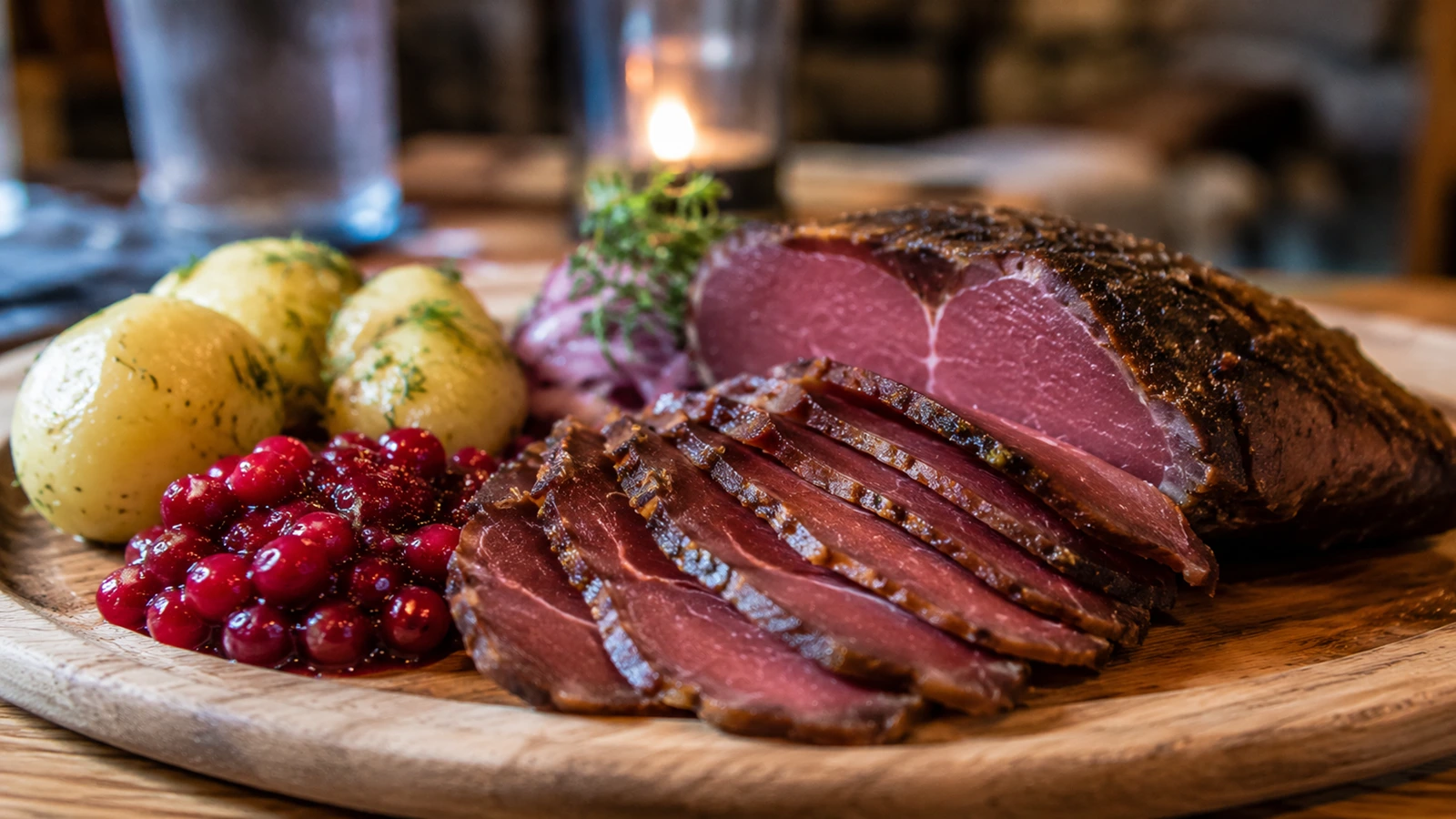
Suovas is widely considered Kiruna's most famous local dish and one of the most recognizable foods associated with Sami culture in Swedish Lapland.
Because reindeer herding remains an important part of Sami culture, suovas is more than just a local specialty. It reflects centuries of Arctic traditions and continues to be one of the most authentic food experiences available to visitors exploring northern Sweden.
If you only try one traditional food in Kiruna, most locals would recommend suovas. It combines Sami heritage, local ingredients and Arctic food traditions in a single dish.
Reindeer Meat in Swedish Lapland
Reindeer meat is one of the defining ingredients of northern Sweden and appears in many forms beyond suovas. Lean, nutrient-rich and naturally adapted to Arctic conditions, reindeer has been a cornerstone of local food culture for generations.
Visitors will encounter reindeer served as steaks, stews, burgers, cured meats and traditional Sami dishes. The flavor is often described as richer than beef but milder than many other game meats.
Because reindeer graze freely across large areas of Swedish Lapland, the meat reflects the natural environment of the region. This connection between landscape, culture and food is one of the reasons reindeer remains such an important symbol of Arctic cuisine.
| Dish | Description |
|---|---|
| Suovas | Lightly smoked reindeer meat |
| Renskav | Thinly sliced sautéed reindeer |
| Reindeer Steak | Premium cuts served in restaurants |
| Reindeer Burger | Modern street-food version |
| Dried Reindeer Meat | Traditional preserved food |
Many visitors first encounter reindeer through food experiences before learning about its wider importance within Sami culture and Arctic life.
Arctic Char from Northern Waters
While reindeer is often the first food visitors associate with Kiruna, Arctic char is equally important to the culinary identity of Swedish Lapland. This cold-water fish thrives in northern lakes and rivers, including the waters surrounding Abisko and Lake Torneträsk.
Arctic char is closely related to salmon and trout but is often considered more delicate in flavor. Its firm texture and clean taste have made it a favorite among chefs throughout northern Sweden.
Many restaurants prepare Arctic char using simple methods that allow the natural flavor of the fish to stand out. Common preparations include grilling, smoking and serving it with seasonal vegetables, herbs and berry-based sauces.
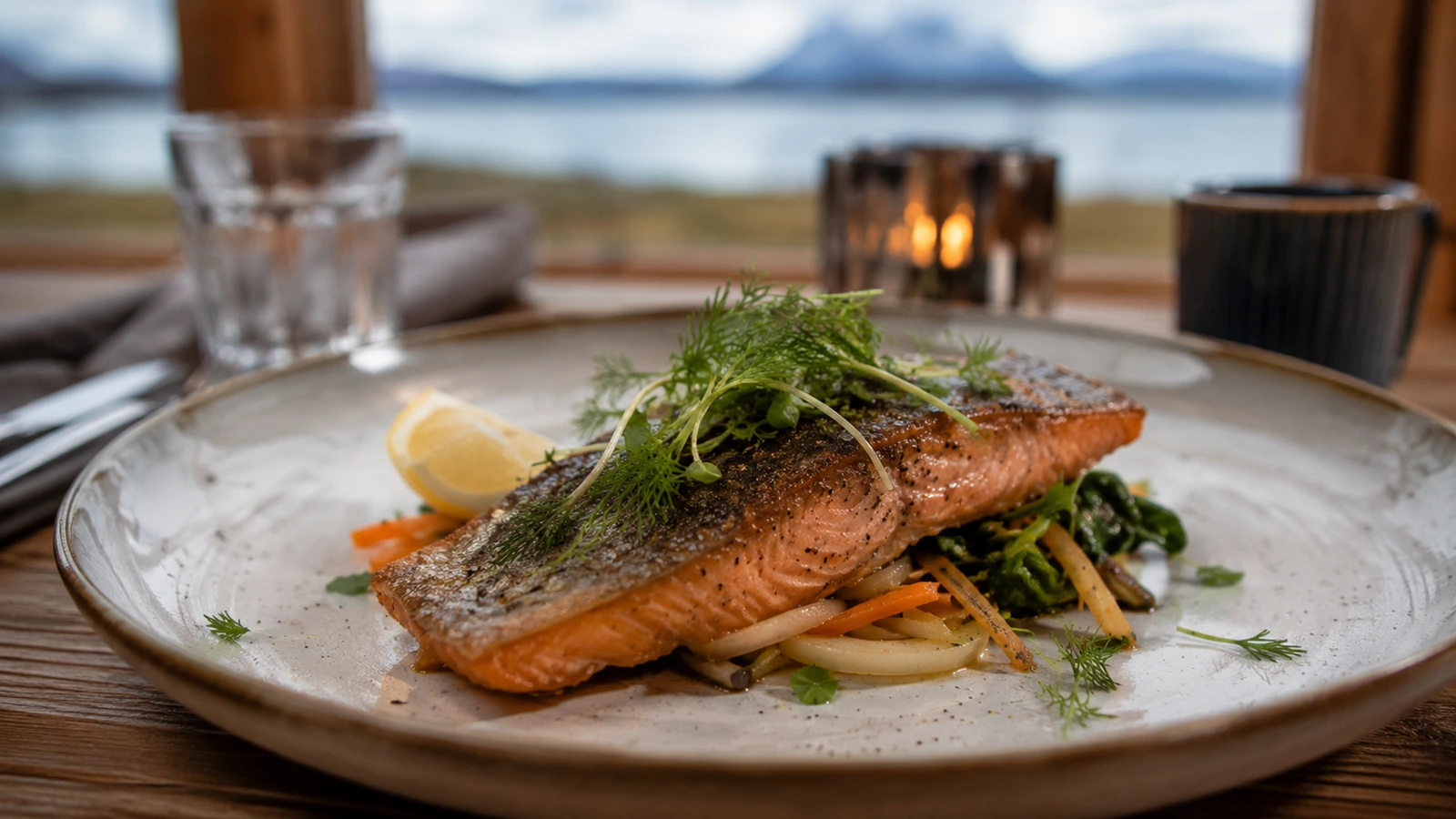
Arctic char is one of the most important local fish species in Swedish Lapland and is commonly served throughout the Kiruna region.
Because Arctic char lives in some of Europe's cleanest waters, it has become one of the most sought-after local ingredients for travelers looking to experience authentic Arctic cuisine.
Many visitors focus entirely on reindeer dishes, but Arctic char is often considered by locals to be one of the finest ingredients found anywhere in Swedish Lapland.
Moose & Wild Game
Moose is another important ingredient in northern Swedish food culture. As the largest land animal in Scandinavia, it has long been part of traditional hunting and food traditions throughout the region.
Compared with reindeer, moose meat is darker and richer in flavor. It is commonly used in stews, burgers, meatballs and slow-cooked dishes during the autumn and winter seasons.
Wild game has always played an important role in Arctic food culture because it provided a valuable source of nutrition during periods when fresh produce was unavailable. Today, moose remains a popular menu item in many restaurants across Kiruna and Swedish Lapland.
| Wild Game | Common Preparation |
|---|---|
| Moose | Stews, burgers and roasted dishes |
| Reindeer | Smoked, grilled and sautéed dishes |
| Grouse | Traditional game meals |
| Hare | Seasonal regional specialties |
Although visitors most often seek out reindeer dishes, trying moose offers another authentic taste of northern Sweden and helps showcase the diversity of Arctic food traditions.
Cloudberries & Arctic Desserts
Few ingredients are more closely associated with northern Scandinavia than cloudberries. Known for their golden color and distinctive sweet-tart flavor, these rare Arctic berries grow in wetlands and bogs across Swedish Lapland.
Because cloudberries are difficult to cultivate commercially, they remain one of the most prized wild ingredients in the region. The short harvesting season and challenging growing conditions contribute to their reputation as one of the Arctic's most valuable berries.
Visitors will commonly encounter cloudberries in desserts, jams, sauces and traditional pastries. Their unique flavor pairs particularly well with cream-based desserts and local cheeses.
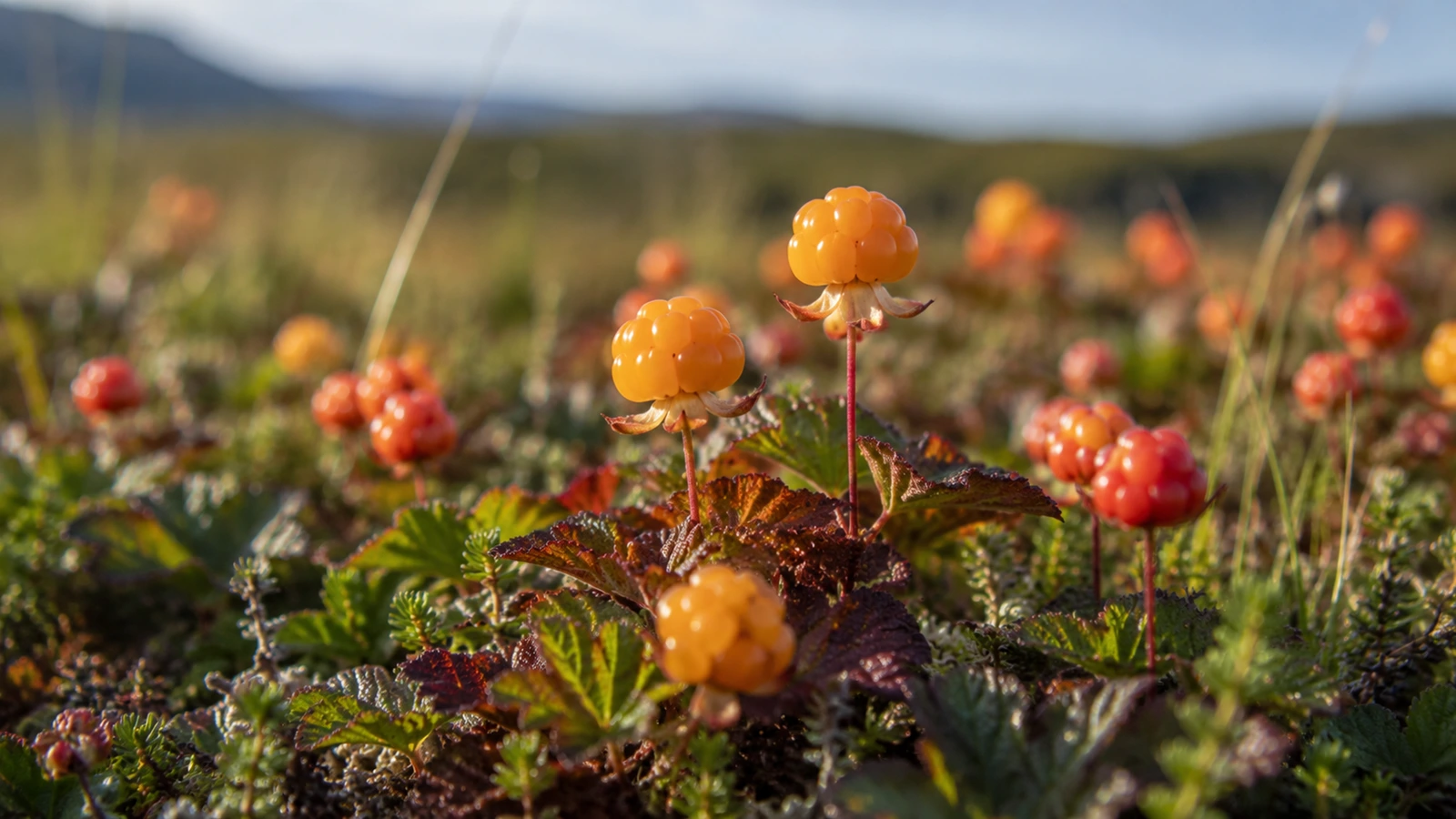
Cloudberries are among the most sought-after Arctic berries and have become one of the signature ingredients of traditional desserts in Swedish Lapland.
Alongside cloudberries, other berries such as lingonberries and blueberries play an important role in local food culture. These ingredients frequently accompany game dishes, desserts and traditional Nordic recipes.
Cloudberries are often called the "gold of the Arctic" because of their rarity, short harvesting season and cultural importance throughout northern Scandinavia.
Swedish Fika in Kiruna
Food culture in Kiruna is not only about Arctic ingredients and traditional Sami dishes. Swedish fika is also an important part of everyday life and remains one of the most recognizable cultural traditions visitors encounter during their stay.
Fika is more than simply drinking coffee. It is a social tradition centered around taking time to slow down, meet friends, share conversation and enjoy pastries or baked goods.
Across Kiruna, cafés and restaurants serve cinnamon buns, cardamom buns, cakes and sandwiches alongside coffee and tea. For many travelers, experiencing fika becomes one of the simplest and most enjoyable introductions to Swedish culture.
While reindeer and Arctic char represent the region's connection to nature, fika represents the social side of life in northern Sweden and remains a daily ritual for many local residents.
| Traditional Fika Item | Description |
|---|---|
| Cinnamon Bun | Classic Swedish pastry served with coffee |
| Cardamom Bun | Popular Nordic sweet bread |
| Princess Cake | Traditional Swedish layered cake |
| Open Sandwiches | Light savory option often served during fika |
| Coffee | The centerpiece of Swedish fika culture |
For travelers seeking both traditional food and local culture, combining Arctic specialties with a Swedish fika experience offers a broader understanding of everyday life in Kiruna.
Where to Try Local Food in Kiruna
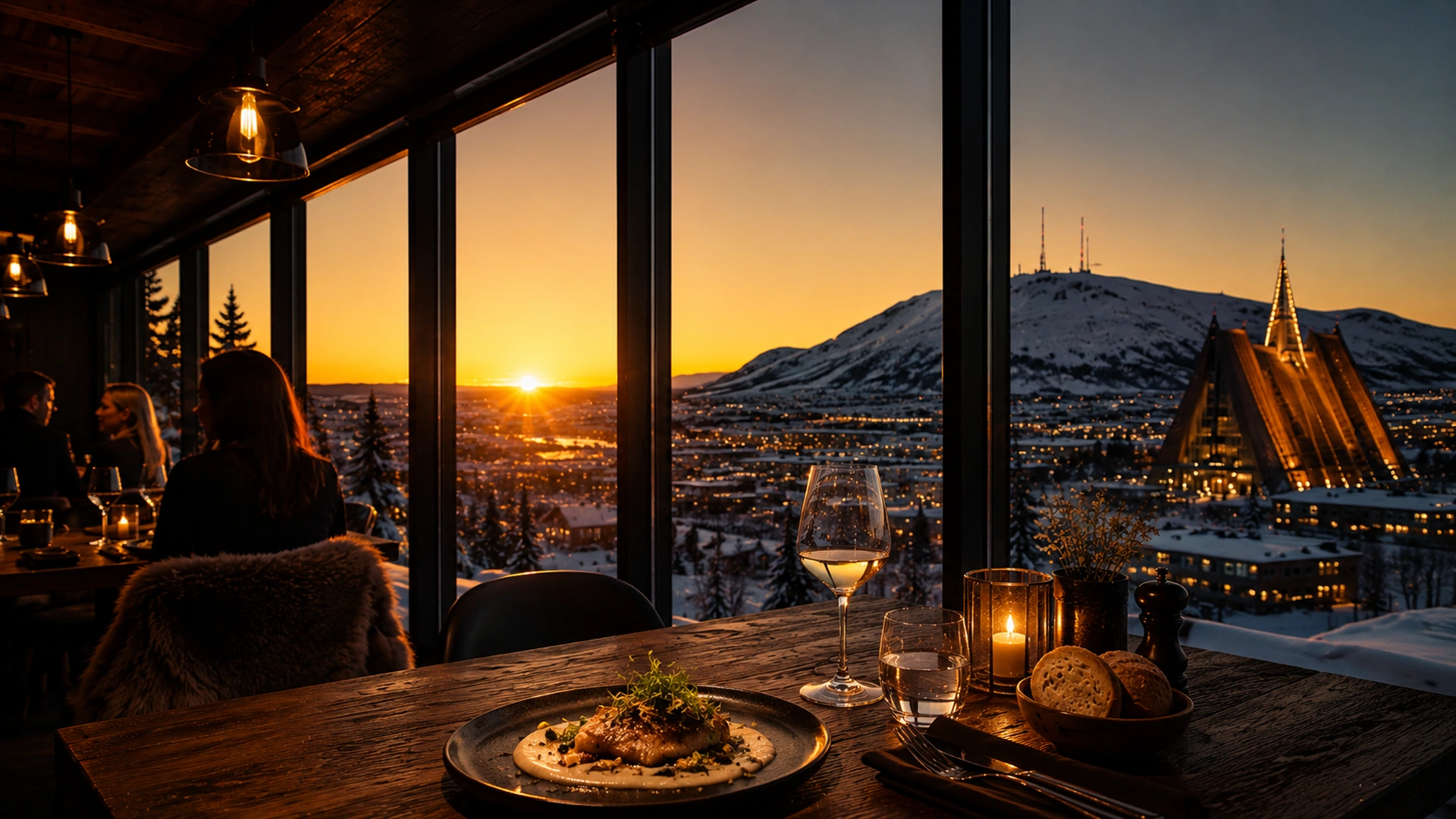
Visitors interested in local food will find a growing range of restaurants, cafés and food experiences throughout Kiruna and the surrounding region. While traditional Sami cuisine remains an important influence, many modern restaurants combine Arctic ingredients with contemporary Nordic cooking techniques.
In Kiruna, visitors can try these foods in several different settings: local restaurants, cafés, Sami-inspired dining experiences, outdoor campfire meals and seasonal tasting menus. Reindeer dishes, Arctic char and cloudberry desserts are especially common during the winter travel season.
The best approach for many travelers is to combine several different experiences. A traditional restaurant dinner, a local fika stop and a Sami-inspired food experience each offer a different perspective on the culinary traditions of Swedish Lapland.
Travelers looking for local food experiences can also combine traditional restaurants with guided outdoor dining experiences. Options include the Kiruna Arctic Tasting Experience by the Fire, the Kiruna Arctic River Fire Experience – Premium Outdoor Dinner and the Northern Lights Sami-Inspired BBQ, all of which introduce visitors to Arctic ingredients, campfire dining and local food traditions in an outdoor setting.
| Food Experience | What to Try |
|---|---|
| Traditional Restaurant | Reindeer, Arctic char and local specialties |
| Swedish Café | Fika, pastries and coffee |
| Sami-Inspired Dining | Suovas and traditional Arctic ingredients |
| Seasonal Menus | Wild game and local produce |
| Arctic Desserts | Cloudberries and berry-based specialties |
For restaurant recommendations, see our Best Restaurants in Kiruna guide. If you are specifically interested in local specialties and cafés, our Best Fika & Local Food in Kiruna guide provides additional recommendations.
Many visitors initially book restaurants to try reindeer meat but often leave talking about cloudberries, Arctic char and the overall quality of locally sourced ingredients found throughout Swedish Lapland.
Is Kiruna's Food Worth Trying?
Yes. Kiruna offers one of the most distinctive food cultures in Sweden thanks to its combination of Sami traditions, Arctic ingredients and strong connections to the natural environment.
While Northern Lights and outdoor activities often attract visitors to the region, local food provides an additional way to understand the culture, history and everyday life of Swedish Lapland.
Whether you try suovas, Arctic char, cloudberry desserts or a traditional Swedish fika, Kiruna's food culture offers authentic experiences that are difficult to find elsewhere in Scandinavia.
Final Verdict
Kiruna is famous for reindeer dishes, Sami food traditions, Arctic char, cloudberries, moose and Swedish fika. These ingredients and traditions reflect centuries of Arctic life and continue to shape the region's modern food culture.
Visitors looking for authentic local food should prioritize trying suovas, Arctic char and cloudberry-based desserts while also taking time to experience the Swedish fika tradition that remains an important part of everyday life throughout northern Sweden.
Together, these foods provide a unique introduction to the flavors, traditions and cultural heritage of Swedish Lapland.