
Short Answer for Travelers
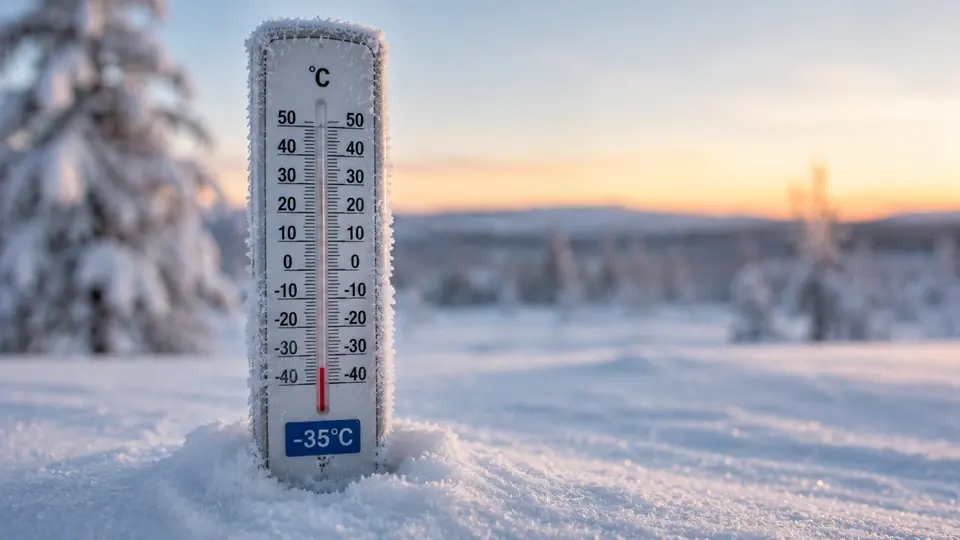
Kiruna is colder than most European winter destinations because it has an inland Arctic climate without ocean warming influence. Temperatures usually range between -10°C and -25°C, with colder periods below -30°C possible.
This guide helps you understand how cold Kiruna really is in winter, what -30°C feels like, and how to prepare for Arctic temperatures.
How Cold Does Kiruna Get in Winter?
Kiruna has a true inland Arctic winter. From December to February, temperatures are typically between -10°C and -25°C, with colder periods below -30°C possible during clear high-pressure weather.
Conditions vary from week to week. One visit may bring mild snowfall around -8°C, while another may bring -28°C, clear skies and dry snow.
Kiruna winter temperatures usually range between -10°C and -25°C, with colder periods below -30°C possible in clear weather.
The key planning rule is to prepare for -25°C, even if the forecast looks milder before arrival.
Kiruna Winter Temperatures Month by Month
Temperature varies significantly depending on weather patterns, altitude and wind exposure. The most important factor is not just the number, but whether you are moving or standing still.
| Month | Typical Travel Conditions | Severe Cold Possible? | Visitor Notes |
|---|---|---|---|
| October | -5°C to +5°C | Occasionally below -10°C | Early winter feel; snow may arrive but is not always stable. |
| November | -10°C to 0°C | Below -20°C possible | Darkness increases quickly; snow cover becomes more reliable. |
| December | -10°C to -25°C | Below -30°C possible | Polar-night atmosphere, short daylight and strong winter feeling. |
| January | -15°C to -30°C | Below -35°C possible | Usually the coldest and most serious winter month. |
| February | -12°C to -25°C | Below -30°C possible | Cold but more daylight; excellent for winter activities. |
| March | -5°C to -18°C | Below -25°C possible | Often the easiest winter month for first-time visitors. |
| April | -5°C to +5°C | Cold nights still possible | Spring-winter conditions with snow still on the ground. |
Local Insight
Visitors often focus on temperature alone, but in Kiruna the real difference is whether you are walking or standing still outside.
The coldest moment is usually when you are standing still, not when you are walking.
Why Kiruna Gets So Cold
Kiruna sits far above the Arctic Circle and has an inland climate without ocean influence.
- High latitude and long winter darkness.
- Distance from warming Atlantic currents.
- Snow cover reflecting heat back into the atmosphere.
- Clear high-pressure systems causing rapid night cooling.
- Cold air settling in valleys during still weather.
Dry Arctic Cold: Why It Feels Different
Kiruna’s cold is often dry, which makes it feel less damp but sharper on exposed skin. Clothing works effectively if kept dry and layered properly.
Dry Arctic cold is manageable when you stay dry, protect extremities and avoid long exposure without insulation.
Wind Chill in Kiruna
Wind dramatically changes perceived temperature, especially during outdoor activities or aurora viewing.
Polar Night and Winter Light
During polar night in mid-winter, the sun does not rise above the horizon, but daylight-like twilight still appears for a few hours around midday.
Snow Season in Kiruna
Snow is usually present from October to April, with peak reliability between December and March.
What -30°C Feels Like
At -30°C, exposed skin can become painful within minutes and electronics lose battery quickly.
What to Wear in Kiruna Winter
Layering is essential to manage both movement and long periods of stillness.
How Cold Affects Winter Activities
Cold exposure varies depending on activity type and how long you remain stationary.
Kiruna vs Other Arctic Destinations
Kiruna is generally colder than coastal Arctic destinations due to its inland climate.
Problem / Solution: The Cold Is Not the Main Problem
The main issue is usually underestimating clothing needs rather than temperature itself.
Common Mistakes Tourists Make
- Using cotton base layers.
- Underestimating standing-still cold.
- Not protecting face in wind.
- Fashion boots instead of insulated boots.
Realistic Expectations
With proper clothing and planning, Kiruna winter is manageable and often highly rewarding.
Final Verdict: Is Kiruna Too Cold?
Kiruna is cold, but not unmanageable. Preparation matters more than temperature.