Quick Answer
-40°C in Kiruna is dangerous without proper winter clothing, but manageable with layers, insulated boots, mittens, face protection and controlled exposure. The biggest problems come from standing still, wind chill, weak footwear and underestimating Arctic winter conditions.
- Main danger: exposed skin and wind chill.
- Most important clothing: insulated winter boots and mittens.
- Electronics problem: batteries drain rapidly.
- Worst mistake: standing still too long during aurora viewing.
- Best strategy: short exposure with planned warm breaks.
Short Answer for Travelers
-40°C in Kiruna is manageable only when treated seriously. Dress in layers, protect face and extremities, keep phones and camera batteries warm, avoid long still periods and follow local guide advice. The cold can be one of the most memorable parts of Swedish Lapland, but it should never be treated casually.
Is -40°C Dangerous?
Yes, -40°C can be dangerous without preparation. The main risks are exposed skin, cold stress, frostbite, hypothermia and poor decisions caused by discomfort or fatigue. The temperature itself is only one part of the risk. Wind, moisture, clothing, activity level, health and access to warmth all matter.
At the same time, Kiruna is a town where people live, work, drive and run winter activities through very cold periods. The difference is routine. Locals use proper clothing, heated buildings, engine heaters, prepared vehicles and realistic exposure times.
The safest approach is not to “test yourself” against the cold. Use proper clothing, keep exposure controlled and take warm breaks before you are seriously cold.
“The goal is not toughness. The goal is good routines.”
The First Sensation: What -40°C Feels Like on Your Face
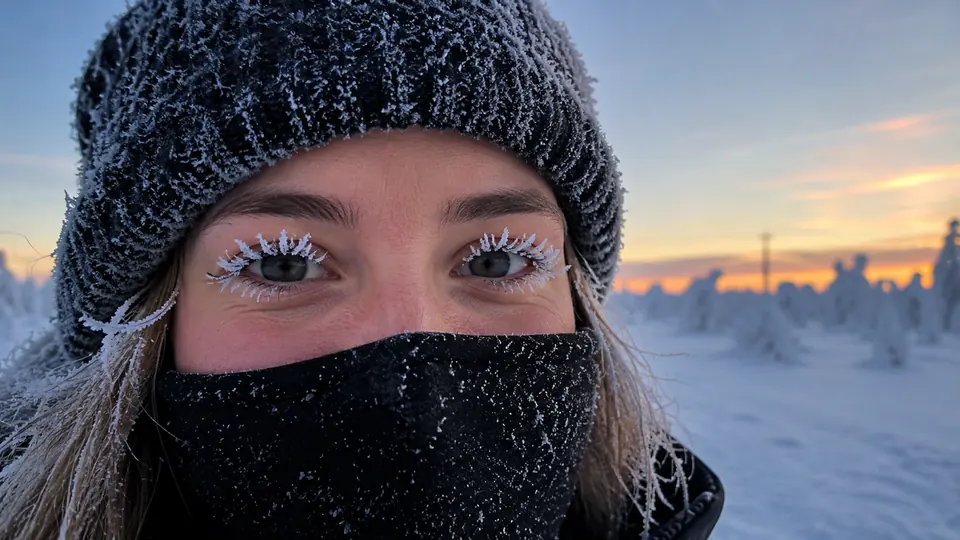
The face is where most visitors first understand the seriousness of extreme cold. Exposed cheeks, nose, lips and ears can feel sharp and dry within minutes. The cold may sting, tighten the skin or feel almost metallic rather than wet.
A neck warmer, balaclava or face covering is not optional during severe cold. It reduces exposed skin and helps prevent the cold from reaching weak points around the chin, cheeks and mouth. A small uncovered gap can become painful faster than visitors expect.
Breathing at -40°C
Breathing at -40°C feels different because the air is extremely cold and often dry. Inhaling quickly through the mouth can feel sharp in the throat and chest. Many people naturally breathe through the nose or through a fabric layer to warm the air slightly before it reaches the lungs.
Cold air can irritate airways, especially for people with asthma or respiratory sensitivity. This guide is not medical advice; travelers with health concerns should be cautious and speak with a healthcare professional before planning long exposure to severe cold.
Local’s Insight
Locals do not treat -40°C as a challenge to endure. They prepare before going outside, keep tasks short, use warm vehicles and buildings, and avoid unnecessary exposure. The goal is not toughness. The goal is good routines.
Why Snow Squeaks in Extreme Cold
One of the most memorable details of -40°C is the sound of snow. Very cold, dry snow often squeaks under boots with a sharp, high crunch. This happens because brittle snow crystals fracture under pressure instead of compressing like wetter snow.
The sound contributes to the atmosphere of Kiruna winter. Snow absorbs many other noises, so the landscape can feel quiet except for boots, breathing, clothing and distant vehicles.
How the Body Reacts Physically
In extreme cold, the body prioritizes core temperature. Blood flow to fingers, toes, ears and nose can reduce as the body protects vital organs. This is why extremities become cold first even when your torso feels warm.
Movement matters because muscles create heat. But too much effort can cause sweating, which becomes a problem when activity stops. The best strategy is controlled movement: enough to stay warm, not so much that inner layers become wet.
| Cold Weather Topic | What Actually Happens | Best Response |
|---|---|---|
| Skin | Exposed areas cool rapidly, especially cheeks, ears and wrists. | Cover exposed skin before leaving warmth. |
| Breathing | Cold dry air can feel sharp in the throat and chest. | Breathe calmly and use suitable face protection. |
| Feet | Tight or thin boots cause problems quickly. | Use roomy insulated boots and wool socks. |
| Hands | Fingers cool fast, especially during photography. | Use liner gloves, warm mittens and hand warmers. |
| Electronics | Batteries drain faster and screens can slow down. | Keep devices and spare batteries in inner pockets. |
| Stillness | Standing still feels much colder than walking. | Move gently and use planned warm breaks. |
Standing Still Versus Moving
-40°C feels very different when you stand still. During a walk, the body produces heat. During aurora photography, dog sledding as a passenger or waiting outside a vehicle, heat production drops. This is when cold often becomes a problem.
Northern Lights viewing is the classic example. Travelers look upward, adjust cameras and wait quietly. Feet and hands cool while attention stays on the sky. Warm breaks, gentle movement and early use of hand warmers are practical safety measures, not signs of weakness.
Wind Chill: When -40°C Feels Even Colder
Wind changes everything. A calm -40°C evening can be manageable for short, prepared exposure. A windy evening at the same temperature can become dangerous much faster because moving air removes heat from the body and finds weak points in clothing.
Wind chill is especially important on open rivers, lakes, mountain viewpoints and snowmobile tours. Even if the thermometer reads warmer than -40°C, speed or wind can make the body lose heat quickly.
How Fast Can Frostbite Happen at -40°C?
At around -40°C, exposed skin can begin cooling dangerously within minutes, especially when wind is present. Fingers, cheeks, ears and nose are usually affected first because blood flow decreases as the body protects core temperature.
The exact timing depends on wind chill, humidity, movement, clothing and individual health, but visitors should never assume they have “plenty of time” with exposed skin. Prevention matters far more than endurance.
Early Warning Signs
- Numb or tingling fingers.
- Sharp pain in cheeks or ears.
- Pale or waxy-looking skin.
- Loss of feeling in toes or fingertips.
- Uncontrolled shivering.
- Difficulty using hands normally.
Why -40°C Feels Worse Than Most Visitors Expect
Many travelers imagine extreme cold as “normal winter but colder.” The reality is different because everyday behavior changes completely. Phones fail faster, standing still becomes difficult, exposed skin hurts quickly and even short walks require planning.
The psychological effect also surprises people. Darkness, silence, frozen air and deep snow make the environment feel more extreme than the thermometer alone suggests.
| Tourist Expectation | Reality at -40°C |
|---|---|
| A warm jacket is enough. | Boots and mittens often matter more. |
| Walking keeps you warm forever. | Standing still becomes the real problem. |
| Phones work normally. | Batteries drain rapidly outdoors. |
| Snow feels soft and wet. | Snow becomes dry, brittle and squeaky. |
| You can improvise clothing. | Small clothing mistakes become serious quickly. |
Cars, Vehicles and Engine Heaters at -40°C
Cars behave differently in Arctic cold. Batteries lose power, oil thickens, rubber becomes stiff and doors or locks can freeze. A vehicle that works easily in ordinary winter may struggle at -40°C if it is not prepared for northern conditions.
Engine heaters are common in very cold parts of northern Scandinavia because they make cold starts easier and reduce stress on the engine. In Kiruna, plugging in a car can be a normal part of winter life rather than a special precaution.
| Vehicle Issue | Why It Happens | Practical Local Response |
|---|---|---|
| Weak battery | Cold reduces battery performance. | Use winter-rated batteries and avoid unnecessary long stops far from help. |
| Thick fluids | Oil and other fluids behave differently in deep cold. | Use Arctic-suitable fluids and follow rental/operator instructions. |
| Hard cold starts | Engines and batteries are under stress. | Use engine heaters where available. |
| Frozen doors or locks | Moisture freezes quickly. | Keep routines simple and avoid forcing frozen parts. |
| Road risk | Darkness, ice, snow and distance increase consequences. | Use guided transfers if unfamiliar with Arctic winter driving. |
Phones, Cameras and Batteries
Electronics lose battery capacity rapidly in extreme cold. A phone showing plenty of battery indoors can shut down after short exposure outside. Camera batteries also drain faster, and power banks suffer if left exposed.
Keep devices warm when not in use. Store phones and spare batteries in inner pockets close to the body. Take them out only when needed, then return them to warmth. Photographers often rotate batteries between camera and inner jacket pockets.
Cold Weather Electronics Checklist
- Keep phone and spare batteries in inner pockets.
- Bring a power bank and keep it warm.
- Prepare camera settings before going outside.
- Use liner gloves for short camera adjustments.
- Allow cold camera gear to warm gradually indoors to reduce condensation.
- Avoid breathing directly onto lenses in extreme cold.
How Clothing Must Work at -40°C
Clothing at -40°C is a system. A warm jacket alone is not enough. You need a moisture-managing base layer, insulating mid layers, wind-resistant outer protection, insulated boots, mittens, hat and face protection.
Cotton is a poor base layer because it holds moisture. Wool or synthetic thermal fabrics are better because they manage sweat and help keep skin drier. Moisture is a serious problem in extreme cold because wet clothing cools quickly when activity slows.
| Clothing Layer | Main Purpose | Best Choice | Common Mistake |
|---|---|---|---|
| Base layer | Moves moisture away from skin. | Merino wool or synthetic thermal fabric. | Cotton thermal wear or ordinary T-shirts. |
| Mid layer | Insulates body heat. | Wool, fleece, down or synthetic insulation. | One thin sweater with no backup layer. |
| Outer layer | Blocks wind and snow. | Insulated parka and snow pants. | Fashion coat or jeans. |
| Feet | Protects against cold ground and stillness. | Roomy insulated winter boots and wool socks. | Tight boots or city shoes. |
| Hands | Prevents rapid finger cooling. | Liner gloves plus large mittens. | Thin gloves only. |
| Face and neck | Reduces exposed skin and wind exposure. | Neck warmer, balaclava or face mask. | Leaving cheeks, chin or ears exposed. |
Local’s Insight: Boots Matter More Than Visitors Think
Many tourists arrive with a good jacket but weak footwear. In Kiruna winter, cold feet ruin outdoor experiences quickly. Boots should be insulated, roomy and have thick soles. Tight boots with too many socks can be colder than one proper winter boot with enough space.
Tours at Extreme Cold: Dog Sledding, Snowmobiles and Aurora
Activity type changes how -40°C feels. A snowshoe walk creates body heat. Sitting in a dog sled, riding as a snowmobile passenger or standing still for aurora photos can feel much colder because the body produces less heat.
| Activity | Main Cold Challenge | Best Preparation |
|---|---|---|
| Northern Lights viewing | Long periods of standing still. | Extra insulation, mittens, warm boots, hand warmers and warm breaks. |
| Dog sledding | Passengers sit still and lose heat quickly. | Thermal overalls where provided, insulated boots and face protection. |
| Snowmobile tours | Speed creates wind chill. | Balaclava, helmet, thermal suit, mittens and wind protection. |
| Snowshoe hiking | Risk of sweating during movement. | Breathable layers and the ability to adjust insulation. |
| Photography | Cold fingers and battery drain. | Prepared settings, liner gloves, mittens and spare batteries in inner pockets. |
Responsible operators may shorten, adjust or cancel tours during extreme cold. This is not poor service. It is safety management based on local conditions, guest comfort, vehicles, animals and exposure time.
Do Tours Cancel at -40°C?
Yes, sometimes. Responsible operators may shorten, delay or cancel activities during severe cold, strong wind or dangerous wind chill conditions. Decisions depend on guest safety, route exposure, vehicle reliability and animal welfare.
Cancellation does not necessarily mean conditions are impossible, but rather that operators are reducing unnecessary risk. Travelers should treat these decisions as a sign of professional Arctic safety management, not disappointment.
How Local Life Adapts
Local life in Kiruna does not stop because of extreme cold, but it adapts. Homes are insulated, heating systems are reliable, vehicles are prepared and people dress practically. Work, school, shops and transport continue, although severe weather can affect plans.
The difference between locals and visitors is not that locals ignore the cold. They respect it and have routines. They prepare before stepping outside, organize clothing indoors, know when to shorten exposure and understand when conditions are too severe.
Children, Families and Animals
Families should be especially careful in severe cold. Children may become cold quickly during still activities and may not explain symptoms clearly. Adults should check fingers, toes, cheeks and mood regularly.
Working sled dogs are adapted to winter activity, but responsible operators still monitor dogs, weather, route conditions, rest and welfare. Visitors should judge animal-based tourism by care standards, not only excitement.
Common Tourist Mistakes at -40°C
- Treating -40°C like normal winter.
- Wearing a warm jacket but poor boots.
- Using thin gloves instead of mittens.
- Leaving cheeks, ears, wrists or ankles exposed.
- Standing still too long during aurora viewing.
- Letting phones and camera batteries sit in the cold.
- Trying to fix clothing problems after already going outside.
- Ignoring guide advice when tours are shortened or adjusted.
When to Go Back Inside
Go back inside, to a vehicle or to shelter if you feel numbness, painful fingers, uncontrolled shivering, unusual fatigue, confusion, or if exposed skin looks unusually pale or waxy. These warning signs should not be ignored.
Warm up gradually, replace damp clothing and check fingers and toes. Do not treat serious cold symptoms as something to endure for a photo. If symptoms are concerning, seek help.
Best Practical Checklist for -40°C in Kiruna
- Use wool or synthetic thermal base layers.
- Avoid cotton directly against the skin.
- Wear insulating layers that can be adjusted.
- Use wind-resistant insulated outerwear.
- Choose roomy winter boots with thick soles.
- Wear wool socks without making boots too tight.
- Use mittens instead of thin gloves.
- Carry liner gloves for cameras and phones.
- Cover ears, neck, chin and cheeks.
- Keep phones and batteries in inner pockets.
- Use hand warmers before your hands are already cold.
- Plan warm breaks during outdoor activities.
- Listen to local guides and weather advice.
What Disappoints Visitors About Extreme Cold?
The biggest disappointment is often not the cold itself, but how much it limits casual behavior. You cannot stand outside indefinitely, use a phone normally, wear fashion boots or improvise long walks without preparation.
Visitors who expect extreme cold to be only a dramatic photo moment may find it frustrating. Visitors who treat it as a real Arctic condition often find it powerful, beautiful and memorable.
Related Winter Guides
Final Verdict: Is Experiencing -40°C in Kiruna Worth It?
Yes, but only with respect and preparation. -40°C in Kiruna can be one of the strongest sensory experiences in Swedish Lapland: dry air, squeaking snow, frozen breath, deep silence and a landscape that feels completely different from normal winter.
It is not something to chase casually. The best experience comes from proper clothing, short exposure, warm breaks and local knowledge. When handled correctly, extreme cold becomes part of the Arctic experience rather than a problem that ruins it.
Explore Kiruna Winter Safely
Experience Arctic winter with local guides who understand cold, clothing, routes and safe winter routines in Swedish Lapland.